
Home Buying Tips

Home Buying Tips for the Toronto Market: What You Need to Know

Buying a home in Toronto is both an exciting and strategic move. Whether you're a first-time buyer or a seasoned homeowner, navigating this dynamic market takes preparation, patience, and a plan.

Toronto is one of the most competitive real estate markets in the country — and it’s constantly evolving. With limited inventory, fluctuating interest rates, and varying neighbourhood vibes, it’s important to arm yourself with the right tools (and team!) before jumping in.

Here are some smart home buying tips tailored specifically for navigating Toronto’s real estate scene:


1. Get Pre-Approved (and Know Your Numbers)

Before browsing MLS or booking showings, speak with a mortgage advisor to get pre-approved. This gives you a clear picture of your budget and shows sellers you're serious.

Toronto Tip: Pre-approval is especially important in competitive neighbourhoods like Leslieville, the Junction, The Beaches or Leaside — where homes can attract multiple offers. A solid pre-approval can help you stand out.


2. Know Your Neighbourhoods

From the energy of Downtown to the charm of East York or the family-friendly feel of Scarborough Bluffs — each Toronto neighbourhood offers a unique lifestyle and price point. Make a list of your preferred areas based on proximity to work, schools, transit, and your lifestyle needs.

Bonus: Don’t overlook emerging areas — neighbourhoods like Mimico, Durham, and parts of the east-end Danforth are becoming hot spots for good reason.


3. Work With a Local Realtor Who Knows the Market

Toronto real estate moves fast. You’ll want a realtor who knows the ins and outs of the city, can spot a solid investment, and help you make confident decisions — whether it’s offer strategy or understanding condo bylaws.


4. Understand the Hidden Costs

Toronto buyers often forget to budget for closing costs, which can include:

  • Land Transfer Tax (provincial + municipal)
  • Legal Fees
  • Home Inspection Fees
  • Title Insurance
  • Property Tax Adjustments

Make sure to set aside roughly1.5%–4% of the purchase price for closing costs. And if you're a first-time home buyer, good news — you may qualify for Land Transfer Tax rebates.


5. Don't Skip the Home Inspection

In a hot market, buyers are sometimes tempted to waive inspections. But in older Toronto homes — especially those in East York, High Park, or the Beaches — a home inspection can save you from costly surprises related to plumbing, electrical, or foundations.


6. Be Ready to Move Fast (But Don't Settle)

It’s common for well-priced homes in Toronto to sell in just a few days. When the right property hits the market, be prepared to act quickly. That said, don’t let urgency push you into a purchase that doesn’t feel right.


7. Consider the Commute and Transit Options

Toronto traffic is no joke. Evaluate access to transit (TTC, GO, LRT), especially if you don’t plan on driving everywhere. Proximity to a subway or streetcar line can also help your property hold value.


Buying a home in Toronto can feel like a rollercoaster — but with the right preparation, guidance, and mindset, it’s absolutely worth the ride. Whether you’re buying a downtown condo, a detached home in the east end, or something in between, I’m here to help every step of the way.


Ready to take the next step? Download my FREE Toronto Home Buying Checklist — a simple, step-by-step guide to keep your home search organized and stress-free.

👉[Click here to download the checklist]

Feel free to contact me at laura@lauracooper.ca or follow me on @lcooperhomes for daily tips, market updates, and the newest listings in Toronto, the GTA, and Durham Region.
March 30, 2026
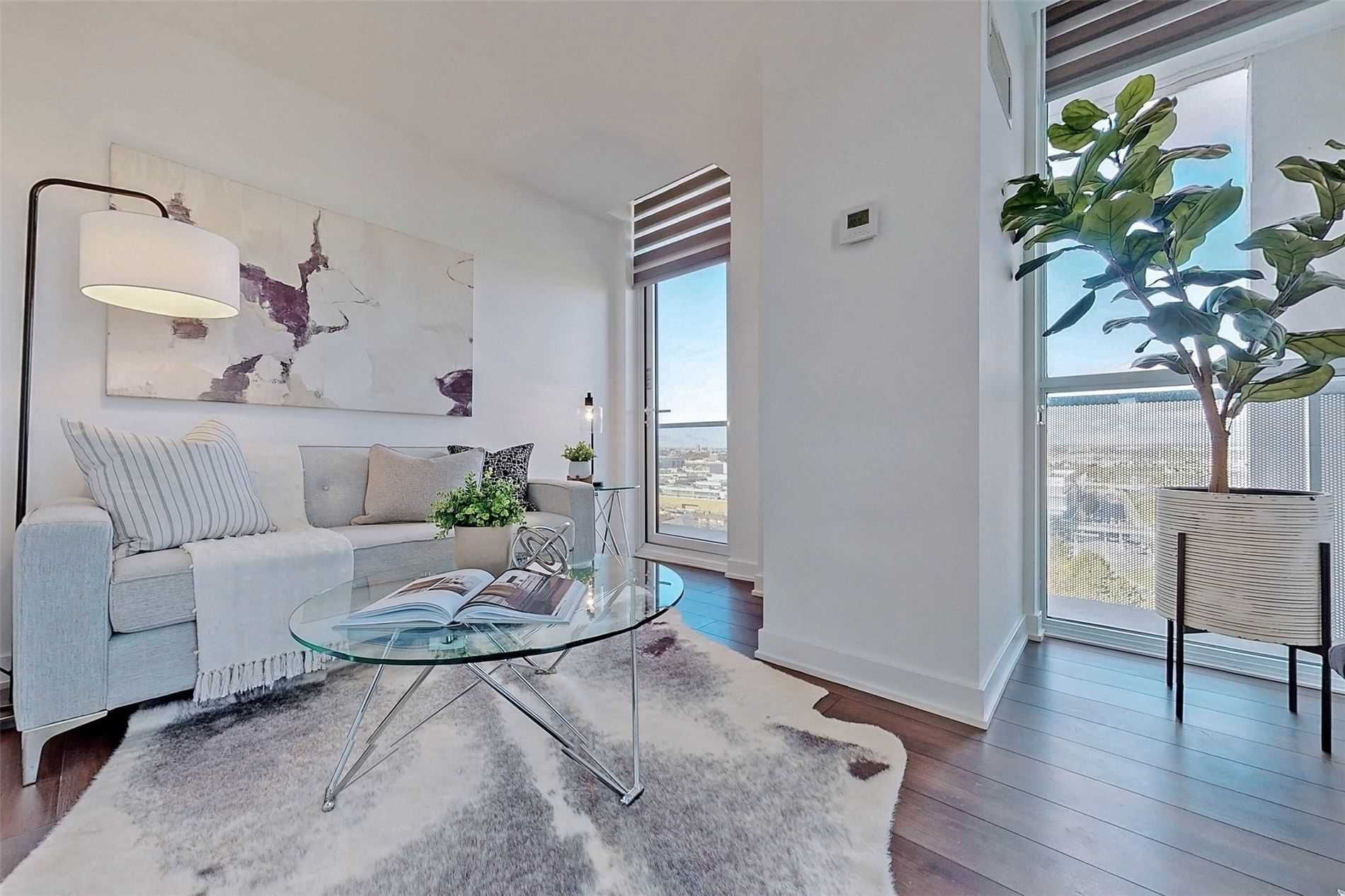
Not every home comes with sprawling square footage, but that doesn’t mean your space can’t feel open, bright, and inviting. Whether you’re preparing to sell or simply want to love your home a little more, there are simple design tricks that can make even the smallest rooms feel larger. Here are some of my go-to tips to help maximize your space 1. Keep It Light and Bright Lighter colours reflect natural light and instantly make a room feel more open. Think soft whites, warm neutrals, and light greys for walls, furniture, and décor. If you love darker tones, try incorporating them in small accents rather than on large surfaces. 2. Use Mirrors Strategically Mirrors are one of the easiest ways to create the illusion of space. Placing a mirror across from a window helps bounce light around the room and visually expand it. Bonus: oversized mirrors can act as a statement piece while still being functional. 3. Choose Furniture That Fits the Space Oversized furniture can overwhelm a small room. Instead, opt for pieces that are proportional and multi-functional, like storage ottomans or sleek, low-profile sofas. Furniture with exposed legs can also make a room feel more open by allowing you to see more floor space. 4. Declutter (Less Really Is More) A crowded room will always feel smaller. Keep surfaces clean and décor minimal to create a more open, breathable space. When in doubt, remove one or two items, you’ll be surprised how much bigger the room feels. 5. Let the Light In Natural light is your best friend in a small space. Avoid heavy, dark curtains and opt for sheer panels or blinds that let light filter through. If privacy is a concern, consider light-filtering shades that still keep things bright. 6. Use Vertical Space Draw the eye upward by using tall shelves, vertical artwork, or floor-to-ceiling curtains. This creates the illusion of higher ceilings and a larger room overall. 7. Stick to a Cohesive Colour Palette Too many contrasting colours can visually break up a space and make it feel smaller. Keeping a consistent palette helps create a seamless, expansive look. 8. Add the Right Lighting Layered lighting (a mix of overhead, table, and floor lamps) helps eliminate dark corners and makes the room feel more open and inviting. Warm, well-lit spaces always feel bigger than dim ones. 9. Use Rugs to Define (Not Shrink) the Space Make sure your rug is the right size, too small and it can make the room feel disjointed. Ideally, your furniture should sit partially on the rug to create a cohesive layout. 10. Keep Sightlines Open Avoid blocking pathways or windows with bulky furniture. The more you can see across the room, the larger it will feel. Small spaces can have just as much impact as larger ones, sometimes even more when they’re thoughtfully designed. A few simple changes can completely transform how a room feels, whether you’re living in it or preparing it for the market. Thinking about selling and want to make sure your home shows at its best? Let’s chat, I'd love to help you maximize your space and your home’s value.
March 30, 2026
Selling your home is exciting, but it can also be a little overwhelming. One of the biggest questions homeowners face is: “What should I invest in before selling, and what’s just a waste of money?” The truth is, not all upgrades are created equal. Some renovations can give you a great return on investment (ROI), while others might look nice but won’t actually help you get top dollar. Here’s a breakdown of what really adds value and what often doesn’t. Upgrades That Typically Add Value 1. Fresh Paint Never underestimate the power of a clean, neutral palette. A fresh coat of paint instantly makes your home feel well-maintained and move-in ready. Stick to neutral tones, they appeal to the widest range of buyers. 2. Kitchen Improvements You don’t need a full remodel to make an impact. Think minor updates like modern hardware, updated countertops, or new cabinet doors. Kitchens sell homes, so even small improvements can boost your ROI. 3. Bathroom Refreshes Similar to kitchens, bathrooms are a key selling point. New fixtures, a clean grout, or updated vanities can make a big impression without breaking the bank. 4. Curb Appeal First impressions matter. Landscaping, a freshly painted front door, and clean walkways invite buyers in. Even small touches like potted plants or new lighting can make a difference. 5. Energy-Efficient Upgrades Adding double-pane windows, LED lighting, or a smart thermostat can appeal to eco-conscious buyers and save them money, which can help your home stand out. What Often Doesn’t Add Value 1. High-End, Personal Upgrades Think custom home theaters, extravagant pools, or overly personalized décor. While they may be fantastic for your enjoyment, they don’t appeal to everyone and rarely boost resale value significantly. 2. Overly Trendy Styles Bold paint colours, statement wallpaper, or niche fixtures can date quickly. Stick to classic styles to attract the broadest buyer pool. 3. Luxury Renovations in Mid-Range Homes Installing a $50,000 kitchen in a home that would normally sell for $350,000 won’t always translate to a $50,000 increase in sale price. Match upgrades to your home’s market value. 4. Minor Cosmetic Fixes That Don’t Address Problems Superficial changes like just swapping cabinet handles or adding fake plants won’t do much if there are bigger underlying issues like plumbing, roofing, or foundation problems. The Smart Approach Before you spend a dime, consider these steps: Get a professional home evaluation. A realtor can identify upgrades that buyers in your area value most. Focus on ROI. Prioritize improvements that will pay off at resale. Keep it neutral and clean. Buyers want to envision themselves living in your space, not your personal style. Address maintenance issues. Fix leaks, replace broken fixtures, and ensure your home is move-in ready. Selling your home is as much about presentation as it is about the property itself. Smart, targeted upgrades can make your home irresistible to buyers, and help you maximize your sale price. If you want a personalized plan for your home, I can help you identify which upgrades will truly pay off in the GTA market. Call me today to get started!
March 30, 2026
Discover the charm, character, and local gems that make these Toronto streets worth exploring. One of the best ways to experience the personality of a city is simply by walking its streets. In a vibrant city like Toronto, certain neighbourhood streets stand out for their unique charm, independent shops, cafés, and lively community atmosphere. Whether you're looking for boutique shopping, cozy coffee spots, or just a beautiful place for an afternoon stroll, these Toronto streets offer the perfect blend of local character and urban energy. Distillery District – Historic Charm Meets Artisan Shops Distillery Historic District: If you're looking for one of the most picturesque places to wander in Toronto, the Distillery District is hard to beat. Set among beautifully preserved 19th-century brick buildings, this pedestrian-only area is filled with artisan shops, art galleries, cafés, and restaurants. Strolling through its cobblestone lanes feels like stepping into a different era. You’ll often find pop-up markets, art installations, and seasonal festivals happening throughout the year. What to enjoy here: Unique artisan boutiques Local art galleries and studios Craft cafés and restaurants Seasonal events and markets It’s an ideal destination for a relaxed weekend walk with plenty of opportunities to stop and explore. Queen Street West – Toronto’s Creative Heart Queen Street West: Often called Toronto’s creative corridor, Queen Street West blends fashion, art, and culture into one energetic stretch of the city. Independent boutiques, vintage shops, record stores, and trendy cafés line the street, making it a favourite for both locals and visitors. The vibe is eclectic and ever-changing, with new shops and pop-ups appearing regularly. Highlights include: Local fashion boutiques Vintage clothing stores Street art and galleries Some of Toronto’s best cafés and bakeries Queen West is perfect for anyone who loves discovering something unexpected around every corner. Bloor Street West – Chic Shopping & Café Culture Bloor Street West: For a more polished shopping experience, Bloor Street West offers a mix of upscale retailers, independent boutiques, and fantastic restaurants. The stretch through Yorkville is known for luxury shopping, while other sections offer charming cafés and neighbourhood storefronts that make for a pleasant afternoon stroll. Why locals love it: Beautiful streetscapes and patios A mix of high-end and independent shops Great lunch and brunch spots Walkable access to nearby parks and museums It’s the perfect place to combine a leisurely walk with a little retail therapy. Roncesvalles Avenue – Neighbourhood Warmth Roncesvalles Avenue: Roncesvalles Avenue offers a welcoming village-like feel right in the city. Lined with bakeries, bookstores, cafés, and specialty shops, it’s one of Toronto’s most beloved neighbourhood streets. Known for its strong community atmosphere, Roncesvalles hosts seasonal street festivals and farmers’ markets that bring the neighbourhood to life. Don’t miss: European bakeries and cafés Independent bookstores and gift shops Local restaurants and patios Community events throughout the year It’s the kind of street where people linger a little longer and neighbours greet each other by name. The Danforth – Culture, Food, and Community Danforth Avenue: Often referred to simply as “The Danforth,” this lively street is famous for its vibrant Greek heritage, incredible restaurants, and welcoming atmosphere. While the food scene is legendary, the area also features plenty of charming independent shops, cafés, and bakeries that make strolling along the avenue a real pleasure. What makes The Danforth special: Incredible Mediterranean restaurants Independent boutiques and cafés Family-friendly parks nearby The annual Taste of the Danforth celebration It’s a street that truly captures Toronto’s multicultural spirit. Why Walkable Streets Matter One of the things that makes Toronto such a great place to live is its collection of vibrant, walkable neighbourhoods. Streets filled with independent shops, restaurants, and community spaces create a sense of connection and local pride that large shopping centres simply can’t replicate. For homeowners, living near a lively main street often adds tremendous lifestyle value, easy access to coffee shops, restaurants, local markets, and community events just steps from your door. Thinking about finding a home in one of Toronto’s walkable neighbourhoods? From charming side streets to vibrant shopping corridors, I’d love to help you discover the neighbourhood that fits your lifestyle. Explore more neighbourhood insights and real estate tips at lauracooper.ca or reach out anytime to start your home search.
Show More