
Get exactly what you’re looking for.

LOVE WHAT YOU DO!
Laura Has Devoted 19 Years To Her
Successful Real Estate Career.




About Laura
Learn About My Communities


Blog
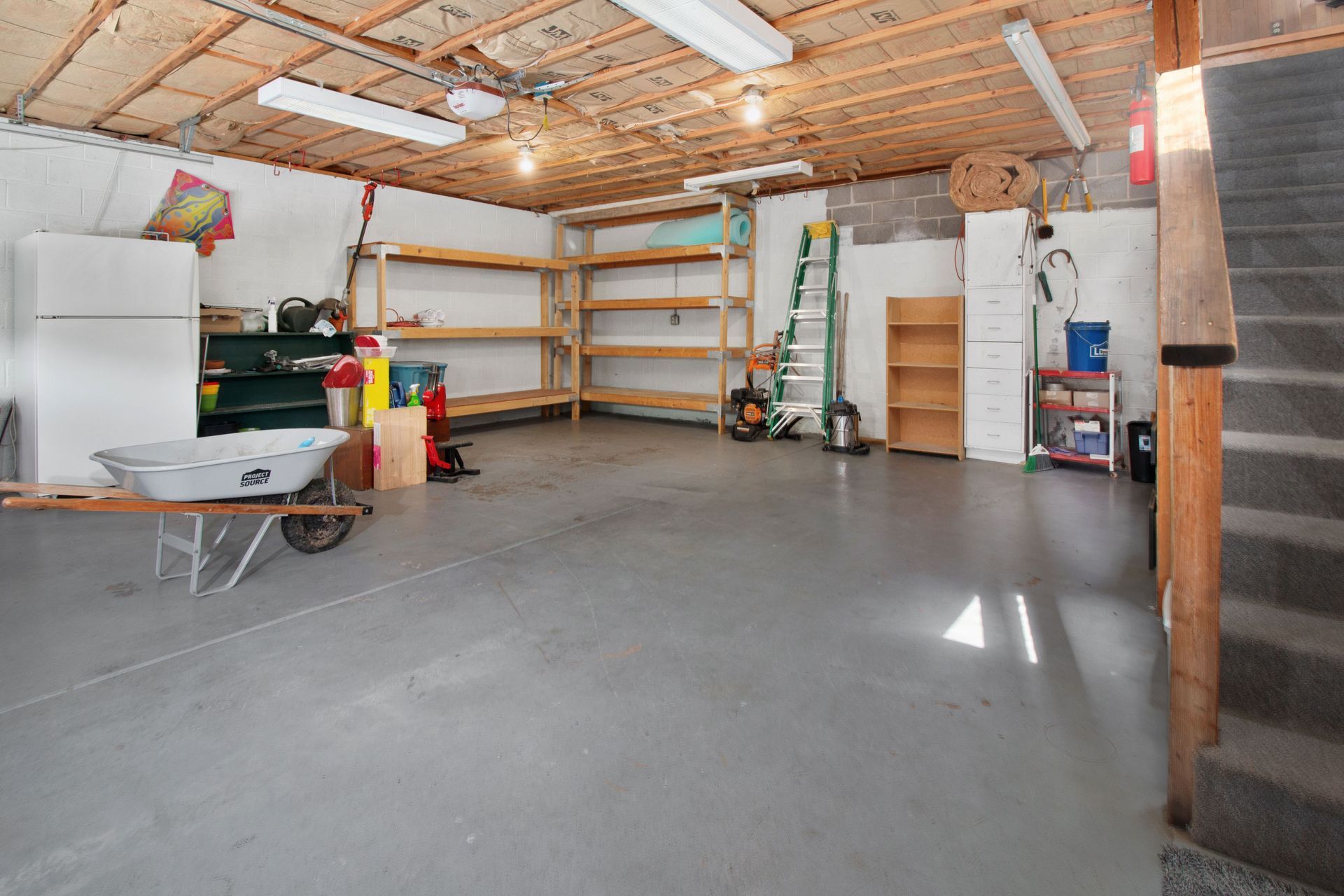
Let's be honest. For a lot of us, the garage starts out with good intentions. “Of course we're going to park the car in here.” Then a few years go by and suddenly there's a lawn mower, hockey bags, bikes, Christmas decorations, camping gear, tools, random boxes you haven't opened in three years... And somehow the car is sitting in the driveway. Sound familiar? Your garage can actually be one of the most useful spaces in your home. You just have to stop treating it like the place where everything you don't know what to do with goes. Here are a few simple ways to make your garage work a whole lot harder. First things first: get everything out I know. This is the part nobody wants to hear. But if you really want to organize your garage, start by taking everything out. It gives you a chance to actually see what you're working with, and, more importantly, what you actually own. Create a few piles: Keep: Things you actually use. Donate: Things someone else could use but you haven't touched in forever. Sell: Anything worth a little money that you don't need anymore. Garbage: Broken, damaged or completely useless stuff. And be honest with yourself. If you haven't used something in two years and can't think of a reason you're going to use it anytime soon... do you really need it taking up valuable garage space? Probably not. Give the garage a good clean Once everything is out, take advantage of the empty space. Sweep the floors. Wipe down the walls. Get rid of those mystery cobwebs in the corners. It's also a good time to have a look at your garage door, weatherstripping and lighting. If cold air or moisture is getting in around the doors, now is the time to deal with it. And if your garage is dark enough that you need your phone flashlight to find something? Upgrade the lighting. You'll thank yourself later. Before you buy storage...measure! This one is important. Don't run out and buy a bunch of shelves and storage cabinets before figuring out where everything is actually going to go. Measure the space your car needs first. Make sure you can comfortably open the doors, walk around the vehicle and still get to the things you need. Then figure out where your storage can go. Walls and ceilings are your friends. The goal isn't to fill every inch of the garage. The goal is to keep the floor as clear as possible. Go vertical This is probably the biggest game changer for a garage. Instead of spreading everything across the floor, start looking up. Wall-mounted shelving, cabinets, pegboards and hooks can give you a ton of storage without taking away your parking space. Think about hanging: Bikes Garden tools Hoses Extension cords Sports equipment Ladders Camping gear Clear bins are also great for seasonal items. Label them so you're not pulling down six boxes at Christmas trying to find the one with the lights. And put the things you use all the time somewhere easy to reach. The Christmas decorations can go up high. The hockey equipment? Probably not. Don't forget the ceiling If you have the height, overhead storage can be incredibly useful. It's perfect for things you only need a few times a year, holiday decorations, camping gear, seasonal items and things like that. Just make sure anything you install is properly secured and rated for what you're storing. And keep heavier or frequently used items somewhere easier to access. Nobody needs a 50-pound box of Christmas decorations falling on them in November. Not everything belongs in the garage The garage might seem like the perfect place for absolutely everything. It isn't. Temperature changes and moisture can damage certain items, and some things can create safety issues. I'd keep things like important documents, photographs, electronics and anything particularly sensitive to moisture or temperature inside the house. Be careful with paints, solvents and other chemicals, too. Some products aren't meant to be stored through extreme temperature swings. And if you're not sure about something, check the manufacturer's storage instructions or your municipality's disposal guidelines. Create a home for the things you use most This is what makes the organization actually stick. If the bikes have a spot, they go back in that spot. If the garden tools have hooks, they go back on the hooks. If the hockey bags have a designated area, that's where they live. You want to be able to walk into the garage and immediately know where something belongs. Because if everything has a home, you're much less likely to end up with another giant pile six months from now. And yes... park the car in there! This might seem obvious, but if you have a garage, actually using it for your car can be a pretty nice perk, especially in a Canadian winter. No scraping ice off the windshield. No brushing snow off the roof at 7 a.m. And you're giving your vehicle some protection from the elements. Plus, there's another benefit: When your car is parked in the garage, there's less room for clutter to take over. It's basically a built-in reminder that the garage is supposed to remain usable. The goal isn't a Pinterest-perfect garage Your garage doesn't need to look like one of those perfectly organized garages you see online with matching cabinets and a spotless floor. It just needs to work for you. If your family has bikes, hockey gear, gardening equipment and a dog, organize around that. If you use your garage as a workshop, make room for that. If it's mostly parking and seasonal storage, keep it simple. The best garage organization system is the one you'll actually maintain. A little work now can make a huge difference. You don't need to spend thousands of dollars or install an elaborate storage system. Start by getting rid of what you don't need. Clean it out, use the walls, make a home for the things you use. And, whenever possible, leave enough room to actually park the car. Your future self, especially your winter self, will appreciate it. Thinking about making better use of the space in your home? Sometimes the little things can make a big difference. And if you're thinking about buying or selling, I'm always happy to help you look at a home with an eye toward how the space will actually work for your everyday life.

Living in a condo has a lot going for it. You get the location, the amenities, less maintenance and, often, a whole lot more convenience. But there's one thing that can become a bit of a challenge pretty quickly: Where does all the stuff go? Because even if you're living in a smaller space, life doesn't exactly come with fewer belongings. You've still got winter coats, hockey gear, luggage, holiday decorations, shoes, cleaning supplies, kitchen gadgets... you get the idea. The good news? You probably have more storage space than you think. You just need to make better use of what you've already got. Here are a few of my favourite ways to make a smaller condo work harder for you. Start with your storage locker If your condo comes with a storage locker, use it! It sounds obvious, but I see people treat their lockers like a dumping ground instead of actually organizing them. Think about the things you don't need every day: Holiday decorations Ski and snowboard gear Camping equipment Extra luggage Beach chairs Seasonal clothing Bikes Tools and other occasional-use items A few sturdy shelves, labelled bins and some hooks can make a HUGE difference. And don't forget to check your condo's rules before storing anything unusual. Every building is different, and there may be restrictions on what can go in your locker. Make your entryway work harder The front door is usually where the clutter starts. Coats get tossed over chairs. Shoes pile up. Bags end up on the floor. Keys disappear five minutes before you're supposed to leave. Sound familiar? Instead of fighting it, give everything a home. A few wall hooks can take care of coats and bags. A small bench with storage underneath can hide shoes. Even a little tray for keys, sunglasses and other everyday items can make a difference. And if your front closet has somehow become the place where you store your vacuum, cleaning supplies, random boxes and everything else you don't know where to put...It's time for a reset. Your front closet should be working for the things you actually need when you're coming and going. Look UP One of my favourite tricks for smaller homes? Look at the space you're not using. There are little pockets of storage everywhere if you know where to look. Think: Above your kitchen cabinets: Great for things you don't use every day, like serving pieces or small appliances. Under your bed: Perfect for extra bedding, shoes or seasonal clothing. Storage bins or drawers can turn that empty space into a very useful spot. Behind cabinet doors: Add slim organizers for spices, cleaning supplies, wraps, hair products or whatever tends to take over your counters. Above the toilet: A couple of shelves can give you extra bathroom storage without taking up valuable floor space. Behind the sofa: A narrow console table can give you a spot for books, lamps and baskets without eating up much room. Sometimes the answer isn't a bigger condo. It's using the space you already have a little better. Don't store every season at once If your closet is packed with winter coats in July and shorts in January, it's probably time for a seasonal rotation. You don't need every piece of clothing you own sitting in your bedroom closet all year. Move seasonal clothing, bedding and gear between your condo and your storage locker twice a year. Vacuum storage bags can also be a lifesaver for bulky items like winter bedding and sweaters. It's a simple change, but it can make your closets feel like they doubled in size. Get your condo kitchen under control Small kitchens can get crowded FAST. And let's be honest, it doesn't take many appliances before you're wondering where you're supposed to put everything. A few things that can help: Drawer organizers for all those little kitchen gadgets Pull-out shelves for deep cupboards A lazy Susan for awkward corner cabinets Vertical storage for spices Magnetic storage to get things off the counter A slim rolling cart for an otherwise useless little space Before buying another storage solution, though, take a good look at what you already own. Do you really need three sets of measuring cups? Are you actually using that bread maker? And how many travel mugs does one person need? Sometimes the best storage solution is getting rid of the stuff you don't use. The biggest trick? Don't let the clutter build up. This is probably the most important one. Small spaces don't necessarily have a storage problem. Sometimes they have a too-much-stuff problem. When something new comes into your condo, ask yourself where it's going to live. If you don't have a spot for it, maybe something else needs to go. A little bit of organizing every few months is a whole lot easier than waiting until your closets are bursting and you can't find anything. Small space doesn't have to mean cramped space. One of the best things about condo living is that you don't necessarily need a huge home to have a great home. It's about making the space you have work for the way you actually live. If you're thinking about buying a condo, don't just look at the square footage. Look at the closets, storage locker, kitchen storage, entryway and all those little details that can make a big difference once you actually move in. Because the right home isn't just about how much space you have. It's about how well the space works for you.

Life rarely stays the same for long. Careers evolve, families grow, priorities shift, and responsibilities change over time. A home that once felt perfect can slowly stop supporting the way you actually live day-to-day. Whether you’re welcoming children, adjusting to a new work routine, or helping aging parents, major life transitions often signal that it may be time to rethink your living situation. The “right” home isn’t just about square footage or finishes, it’s about how well your home supports the next chapter of your life. When Kids Change Everything Starting or growing a family often changes what buyers value most in a home. Suddenly, priorities shift from trendy layouts and nightlife access to functionality, storage, schools, parks, and safe neighbourhoods. You may start asking questions like: Do we have enough bedrooms? Is there space to work, play, and grow? Are we close to good schools and childcare? Is the backyard big enough for kids and pets? Will this home still work for us in five years? Many families find themselves moving from a condo or starter home into a space that offers more flexibility and long-term comfort. Sometimes it’s not even about “more” space, it’s about smarter space that better suits family life. How Work-From-Home Changed What Buyers Need Over the past several years, remote and hybrid work have completely reshaped what many people want in a home. Kitchen tables became offices overnight, and buyers quickly realized that having dedicated work space matters. If your work situation has changed, your current home may no longer support your lifestyle efficiently. You might benefit from: A dedicated office or quiet workspace More separation between living and working areas Faster commutes on in-office days Extra space for business equipment or meetings Better outdoor space for work-life balance For some homeowners, this means upsizing. For others, it means relocating to gain more value, space, or flexibility outside the city core. Supporting Aging Parents As parents age, many families begin thinking about how to stay closer together or provide additional support. This can create an entirely new set of housing needs. You may start considering: Multi-generational living Homes with separate entrances or in-law suites Main-floor bedrooms and accessible layouts Moving closer to family members Downsizing your own home to simplify life These decisions are deeply personal, and they often come with both emotional and financial considerations. The right move is different for every family, but planning ahead can create far more options and reduce stress later on. Your Home Should Support Your Lifestyle, Not Limit It. One of the biggest mistakes homeowners make is staying in a home that no longer works simply because it feels familiar. While moving can feel overwhelming, staying in the wrong space can quietly create daily frustration, financial strain, or missed opportunities. Your next move doesn’t always need to be bigger or more expensive. Sometimes the best move is: Simplifying Reducing maintenance Moving closer to work or family Improving functionality Creating flexibility for the future A smart move is one that aligns with your current lifestyle and where life is heading next. Planning Ahead Makes All the Difference The best real estate decisions are rarely reactive. If you know major life changes may be coming within the next few years, it’s worth exploring your options early. Understanding your home’s current value, your buying power, and what different neighbourhoods can offer gives you the ability to make confident decisions when the timing feels right. Real estate is about more than buying and selling, it’s about creating a home that supports the life you’re building. If you’re thinking about what your next chapter may look like, I’d be happy to help you explore your options and create a plan that fits your goals.