How to Buy a Home Without Burning Out Emotionally

Buying a home is one of the most exciting milestones in life, but let’s be honest, it can also be emotionally exhausting. Between bidding wars, tight timelines, financial decisions, and the pressure to “get it right,” it’s easy to feel overwhelmed.


The good news? With the right mindset and strategy, you can protect your energy and enjoy the journey.

Here’s how to buy a home without burning out emotionally:


1. Set Realistic Expectations From the Start

The home buying process isn’t always quick or smooth, and that’s okay.

You might:

  • Lose out on a few homes before winning one
  • Need to adjust your wish list
  • Experience delays or surprises

Understanding this upfront helps reduce frustration later. Think of it as a process, not a single event.


2. Define Your “Must-Haves” vs. “Nice-to-Haves”

One of the biggest emotional drains comes from decision fatigue.

Avoid it by clearly outlining:

  • Your non-negotiables (location, budget, number of bedrooms)
  • Your flexible features (finishes, layout, cosmetic updates)

This clarity makes it easier to say “yes” or “no” quickly, and confidently.


3. Stick to Your Budget (No Matter What)

It’s easy to get emotionally attached and stretch beyond your comfort zone, but that stress doesn’t end after closing.

Staying within your budget means:

  • Less anxiety during the process
  • More financial freedom after you move in
  • Greater long-term peace of mind

Remember: the right home should feel exciting, not stressful.


4. Limit Overexposure to Listings

Scrolling listings 24/7 can lead to comparison overload and second-guessing.

Instead:

  • Set specific times to review homes
  • Rely on your agent to filter the best options
  • Focus only on homes that truly fit your criteria

Quality over quantity always wins here.


5. Lean on the Right Support System

You don’t have to do this alone.

Surround yourself with:

  • A knowledgeable real estate agent
  • A trusted mortgage professional
  • Supportive family or friends

Having the right people in your corner helps you stay grounded and confident in your decisions.


6. Take Breaks When You Need Them

If you’re feeling overwhelmed, it’s okay to pause.

Take a weekend off from house hunting. Reset. Recharge.
Sometimes stepping back gives you the clarity you need to move forward stronger.


7. Don’t Fall in Love Too Fast

It’s important to stay emotionally balanced, even when you find a home you love.

Why?
Because not every offer gets accepted.

Try to:

  • Stay hopeful, not attached
  • Have a “next one” mindset
  • Trust that the right home will come

What’s meant for you won’t pass you by.


8. Celebrate Small Wins Along the Way

Buying a home is a journey, so acknowledge your progress.

Celebrate:

  • Getting pre-approved
  • Finding a home you love
  • Submitting an offer
  • Closing the deal

These moments matter and help keep your energy positive.


Buying a home is as much an emotional journey as it is a financial one. The key is to stay grounded, patient, and supported throughout the process.

And remember, you’re not just buying a property, you’re building a future.


Thinking about buying?
Let’s make the process smooth, strategic, and stress-free.

Call me today, I'd love to help you find a home you truly love.
April 13, 2026
Schools, parks, and family-friendly amenities in one of Toronto’s most loved east-end communities.  If you’ve been watching where Toronto families are putting down roots, one neighbourhood keeps coming up again and again: Danforth Village. Tucked along the east end of the Danforth, this community has quietly become a go-to choice for buyers looking for space, convenience, and a strong sense of community, all without leaving the city behind. So what’s driving the move? Let’s take a closer look. A Neighbourhood Designed for Family Living Danforth Village strikes a rare balance between urban energy and residential calm. Tree-lined streets, charming homes, and a close-knit community vibe make it especially appealing for families looking to upsize or settle long-term. Unlike busier downtown pockets, this area offers a slower pace of life, while still keeping you connected to everything Toronto has to offer. Top-Rated Schools Close to Home For families, access to quality education is always top of mind, and Danforth Village delivers. The neighbourhood is home to several well-regarded schools, including: Earl Haig Public School Gledhill Junior Public School St. Brigid Catholic School There are also numerous elementary and secondary options nearby, with roughly a dozen schools serving the area. What makes this especially appealing is proximity, many families can walk their kids to school, creating a true neighbourhood feel and simplifying daily routines. Parks, Green Space & Outdoor Living One of the biggest draws for families is the abundance of parks and outdoor space. Local favourites include: East Lynn Park – a community hub with playgrounds, splash pads, and seasonal markets Monarch Park – featuring a pool, skating rink, and sports facilities Taylor Creek Trail – ideal for biking, walking, and weekend adventures In total, the neighbourhood offers multiple parks and a wide range of recreational amenities, from playgrounds and tennis courts to splash pads and skating rinks. Whether it’s after-school playtime or weekend family outings, there’s always something to do outdoors. Walkability & Everyday Convenience Life in Danforth Village is incredibly walkable. Along Danforth Avenue, you’ll find: Cafés, restaurants, and local bakeries Grocery stores and specialty shops Libraries, community centres, and fitness studios This means fewer errands by car and more time spent enjoying the neighbourhood. For busy families, that convenience is a game changer. Easy Transit for Busy Families Commuting is another major win. With access to TTC subway stations like Woodbine and Main Street, residents can get downtown in under 20 minutes. There’s also GO Transit nearby, making it ideal for those commuting across the GTA. For families balancing work, school, and activities, that level of connectivity makes daily life significantly easier. A Strong Sense of Community Beyond the practical benefits, what really sets Danforth Village apart is its community feel. From farmers’ markets and local festivals to everyday interactions with neighbours, this is a place where people genuinely feel connected. It’s the kind of neighbourhood where kids play in the park, families gather on weekends, and neighbours know each other by name. The Bottom Line Danforth Village isn’t just a place to live, it’s a place to grow. With excellent schools, abundant green space, walkable amenities, and easy transit, it checks all the boxes for modern family living. Add in its welcoming community and charming streets, and it’s easy to see why so many families are making the move. Thinking about making a move to Danforth Village or the east end? Let’s connect, I’d love to help you find the perfect place to call home.
March 30, 2026
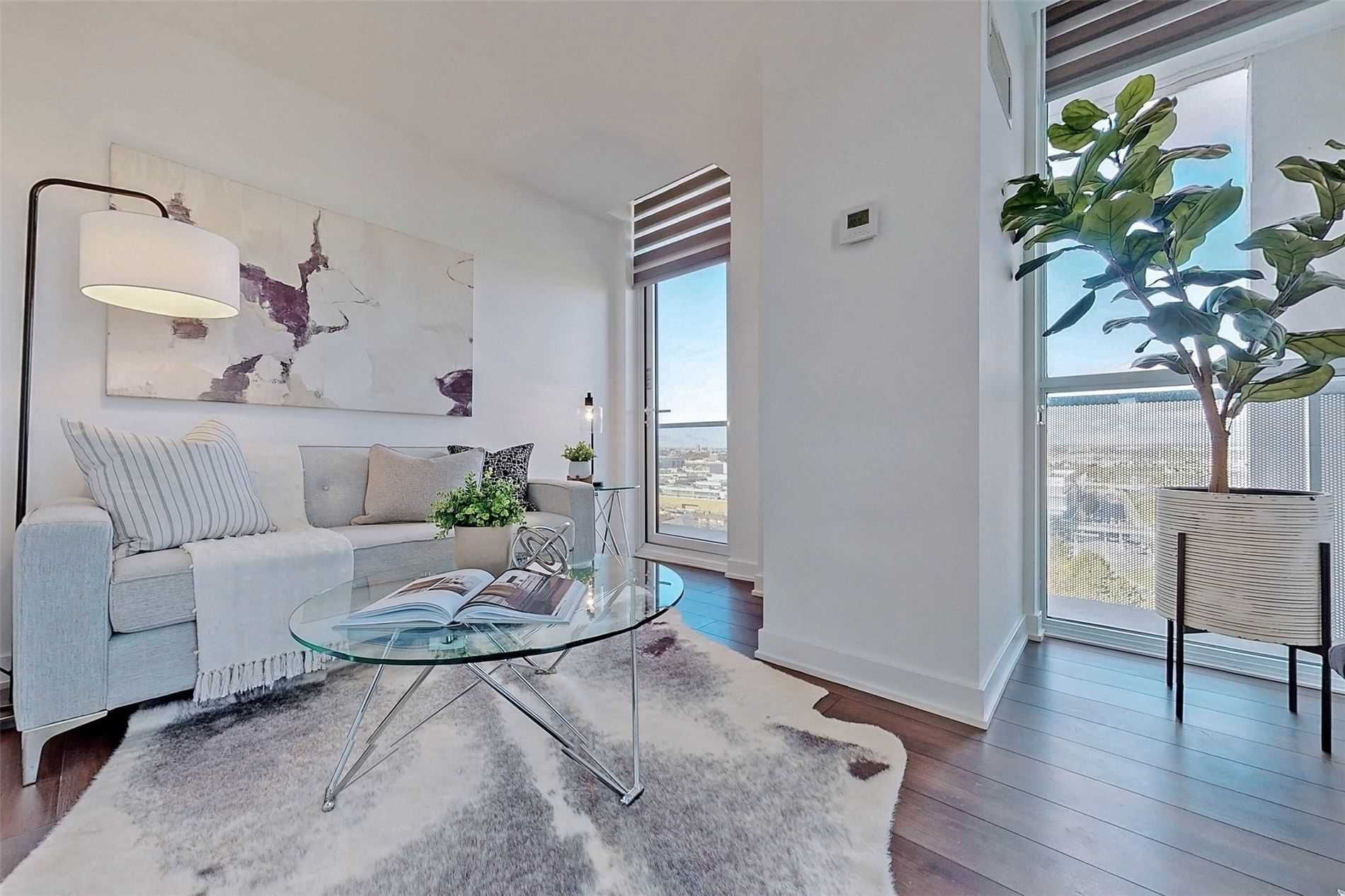
Not every home comes with sprawling square footage, but that doesn’t mean your space can’t feel open, bright, and inviting. Whether you’re preparing to sell or simply want to love your home a little more, there are simple design tricks that can make even the smallest rooms feel larger. Here are some of my go-to tips to help maximize your space 1. Keep It Light and Bright Lighter colours reflect natural light and instantly make a room feel more open. Think soft whites, warm neutrals, and light greys for walls, furniture, and décor. If you love darker tones, try incorporating them in small accents rather than on large surfaces. 2. Use Mirrors Strategically Mirrors are one of the easiest ways to create the illusion of space. Placing a mirror across from a window helps bounce light around the room and visually expand it. Bonus: oversized mirrors can act as a statement piece while still being functional. 3. Choose Furniture That Fits the Space Oversized furniture can overwhelm a small room. Instead, opt for pieces that are proportional and multi-functional, like storage ottomans or sleek, low-profile sofas. Furniture with exposed legs can also make a room feel more open by allowing you to see more floor space. 4. Declutter (Less Really Is More) A crowded room will always feel smaller. Keep surfaces clean and décor minimal to create a more open, breathable space. When in doubt, remove one or two items, you’ll be surprised how much bigger the room feels. 5. Let the Light In Natural light is your best friend in a small space. Avoid heavy, dark curtains and opt for sheer panels or blinds that let light filter through. If privacy is a concern, consider light-filtering shades that still keep things bright. 6. Use Vertical Space Draw the eye upward by using tall shelves, vertical artwork, or floor-to-ceiling curtains. This creates the illusion of higher ceilings and a larger room overall. 7. Stick to a Cohesive Colour Palette Too many contrasting colours can visually break up a space and make it feel smaller. Keeping a consistent palette helps create a seamless, expansive look. 8. Add the Right Lighting Layered lighting (a mix of overhead, table, and floor lamps) helps eliminate dark corners and makes the room feel more open and inviting. Warm, well-lit spaces always feel bigger than dim ones. 9. Use Rugs to Define (Not Shrink) the Space Make sure your rug is the right size, too small and it can make the room feel disjointed. Ideally, your furniture should sit partially on the rug to create a cohesive layout. 10. Keep Sightlines Open Avoid blocking pathways or windows with bulky furniture. The more you can see across the room, the larger it will feel. Small spaces can have just as much impact as larger ones, sometimes even more when they’re thoughtfully designed. A few simple changes can completely transform how a room feels, whether you’re living in it or preparing it for the market. Thinking about selling and want to make sure your home shows at its best? Let’s chat, I'd love to help you maximize your space and your home’s value.
March 30, 2026
Selling your home is exciting, but it can also be a little overwhelming. One of the biggest questions homeowners face is: “What should I invest in before selling, and what’s just a waste of money?” The truth is, not all upgrades are created equal. Some renovations can give you a great return on investment (ROI), while others might look nice but won’t actually help you get top dollar. Here’s a breakdown of what really adds value and what often doesn’t. Upgrades That Typically Add Value 1. Fresh Paint Never underestimate the power of a clean, neutral palette. A fresh coat of paint instantly makes your home feel well-maintained and move-in ready. Stick to neutral tones, they appeal to the widest range of buyers. 2. Kitchen Improvements You don’t need a full remodel to make an impact. Think minor updates like modern hardware, updated countertops, or new cabinet doors. Kitchens sell homes, so even small improvements can boost your ROI. 3. Bathroom Refreshes Similar to kitchens, bathrooms are a key selling point. New fixtures, a clean grout, or updated vanities can make a big impression without breaking the bank. 4. Curb Appeal First impressions matter. Landscaping, a freshly painted front door, and clean walkways invite buyers in. Even small touches like potted plants or new lighting can make a difference. 5. Energy-Efficient Upgrades Adding double-pane windows, LED lighting, or a smart thermostat can appeal to eco-conscious buyers and save them money, which can help your home stand out. What Often Doesn’t Add Value 1. High-End, Personal Upgrades Think custom home theaters, extravagant pools, or overly personalized décor. While they may be fantastic for your enjoyment, they don’t appeal to everyone and rarely boost resale value significantly. 2. Overly Trendy Styles Bold paint colours, statement wallpaper, or niche fixtures can date quickly. Stick to classic styles to attract the broadest buyer pool. 3. Luxury Renovations in Mid-Range Homes Installing a $50,000 kitchen in a home that would normally sell for $350,000 won’t always translate to a $50,000 increase in sale price. Match upgrades to your home’s market value. 4. Minor Cosmetic Fixes That Don’t Address Problems Superficial changes like just swapping cabinet handles or adding fake plants won’t do much if there are bigger underlying issues like plumbing, roofing, or foundation problems. The Smart Approach Before you spend a dime, consider these steps: Get a professional home evaluation. A realtor can identify upgrades that buyers in your area value most. Focus on ROI. Prioritize improvements that will pay off at resale. Keep it neutral and clean. Buyers want to envision themselves living in your space, not your personal style. Address maintenance issues. Fix leaks, replace broken fixtures, and ensure your home is move-in ready. Selling your home is as much about presentation as it is about the property itself. Smart, targeted upgrades can make your home irresistible to buyers, and help you maximize your sale price. If you want a personalized plan for your home, I can help you identify which upgrades will truly pay off in the GTA market. Call me today to get started!
Show More