Top 3 Hidden Gem Neighbourhoods in Toronto for Young Professionals

Toronto’s real estate market can feel overwhelming, especially for young professionals trying to balance lifestyle, commute, and affordability. While neighbourhoods like Liberty Village, Leslieville, and King West get most of the attention, there are still hidden gems across the city that offer incredible value, vibrant communities, and room to grow.

If you’re looking for a neighbourhood that checks the boxes without the premium price tag, here are three underrated Toronto neighbourhoods young professionals should have on their radar.


1. Junction Triangle – Urban Energy Meets Community Vibes

Tucked between The Junction, Roncesvalles, and Bloor West, Junction Triangle is one of Toronto’s most exciting up-and-coming neighbourhoods.

Once industrial, the area has undergone a major transformation, attracting creatives, tech professionals, and first-time buyers looking for character without chaos.

Why young professionals love it:

  • Excellent transit access with Dundas West Station, UP Express, and GO nearby
  • Trendy cafés, breweries, and local restaurants without the downtown crowds
  • A mix of lofts, condos, and charming older homes
  • Easy access to the Railpath for walking, biking, and commuting

It’s a neighbourhood that feels cool without trying too hard, and still offers relative value compared to nearby hot spots.

Best for: Buyers who want an urban lifestyle with a strong community feel and easy downtown access.


2. East Danforth (Danforth Village East) – Affordable, Walkable & Well-Connected

Stretching east of Woodbine toward Main Street, East Danforth is often overlooked in favour of Riverdale or Leslieville, but savvy buyers know it’s one of the best value neighbourhoods in the city.

This area offers classic Toronto charm with more approachable pricing and a strong sense of local pride.

Why it’s a hidden gem:

  • Subway access along the Bloor-Danforth line
  • Walkable streets filled with bakeries, coffee shops, and family-run restaurants
  • A growing condo and townhouse market mixed with traditional semis
  • Close to parks, bike trails, and The Beaches

East Danforth is ideal for young professionals who want space, convenience, and community, without stretching their budget to the limit.

Best for: First-time buyers who want transit, neighbourhood vibes, and long-term growth potential.


3. Wallace Emerson – Central Location, Real Value

Located between Dupont, Dufferin, and Bloor, Wallace Emerson is one of Toronto’s most underrated centrally located neighbourhoods.

With major transit lines, new developments, and proximity to multiple sought-after areas, this neighbourhood offers incredible upside for young professionals looking to buy before prices catch up.

What makes it stand out:

  • Steps to Dufferin and Lansdowne subway stations
  • Close to The Junction, Little Italy, and Bloor West
  • A strong mix of condos, townhomes, and detached houses
  • Ongoing revitalization and infrastructure investment

Wallace Emerson is ideal for buyers who prioritize location, commute time, and long-term appreciation.

Best for: Professionals who want to stay central, avoid downtown congestion, and invest wisely.


Finding the Right Fit:

Toronto is full of neighbourhoods with untapped potential, you just need to know where to look. For young professionals, these hidden gems offer a smart balance of lifestyle, affordability, and future growth.


Whether you’re buying your first condo, upgrading to more space, or planning a long-term investment, choosing the right neighbourhood can make all the difference.


If you’re curious about which Toronto neighbourhood fits your lifestyle and budget, or want early access to listings in these areas, I’d love to help.

Let’s find a home you’ll love.


📩 Reach out anytime to start your Toronto home search with confidence.
November 5, 2026
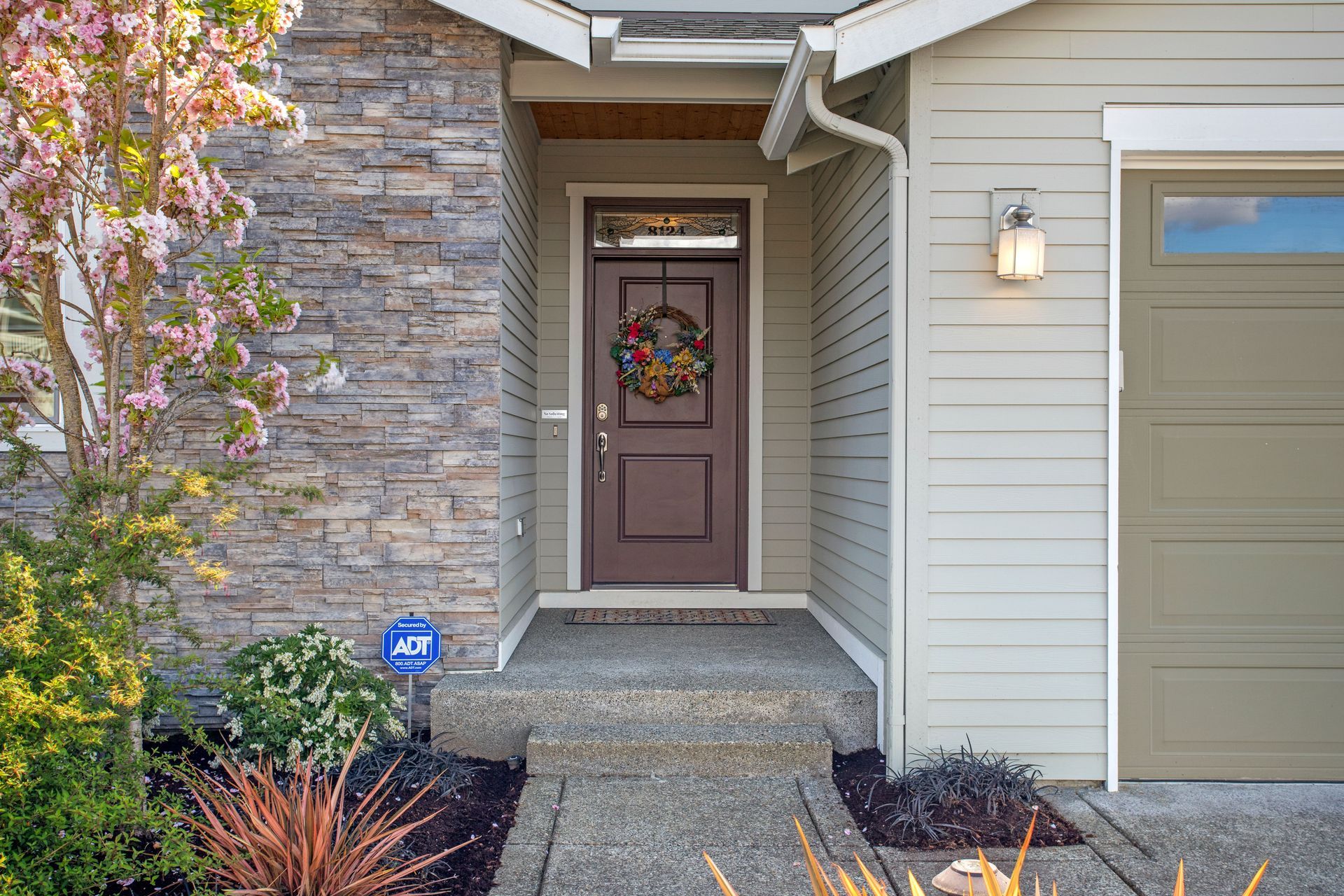
You don’t need to spend thousands of dollars to make your home look better from the street. Sometimes, it’s the little things that make the biggest difference. Whether you’re thinking about selling, planning ahead for the future, or just want to love the look of your home a little more, there are plenty of ways to improve your curb appeal without taking on a big renovation. And the best part? Many of these projects can be done in a weekend, with a little time and a trip to your local hardware or garden centre. Here are a few easy, budget-friendly ways to give your home’s exterior a fresh look. 1. Start With a Good Clean-Up Before you spend money on anything new, take a step back and look at your home from the street. What stands out? And not necessarily in a good way! A cluttered porch, overgrown garden beds, weeds in the walkway or a driveway that could use a good cleaning can make the whole property feel a little neglected. Start by putting away garden tools, old planters, hoses and anything else that’s hanging around the front of the house. Sweep the porch, clean the windows, pull the weeds and give your walkway a good wash. If you have a pressure washer, this is a great time to put it to use. If not, a little elbow grease goes a long way. My tip: Do the clean-up first before buying anything. You might be surprised by how much better your home looks without spending a dime. 2. Give Your Front Door a Fresh Look Your front door is one of the first things people notice about your home, so why not make it stand out? A fresh coat of paint can make an older entrance feel brand new. Depending on your home's exterior, colours like navy, forest green, black or a warm earthy tone can add a little personality without going overboard. While you’re at it, take a look at your door hardware, house numbers and porch light. If they’re looking dated or worn, swapping them out for something more modern can pull the whole entrance together. You don’t have to replace everything at once, either. Start with the door and see how much of a difference it makes. 3. Tidy Up Your Garden Beds You don't need a professionally landscaped yard to make your home look well cared for. Start with the basics: trim the edges of your lawn, pull weeds, prune overgrown shrubs and add a fresh layer of mulch to your garden beds. These small jobs can make the front yard look much more finished. If you want to add a little colour, look for perennials that grow well in our Canadian climate. They come back year after year, so you won't have to start from scratch every spring. Short on garden space or not much of a gardener? No problem. A couple of planters beside the front door can add colour and make the entrance feel more inviting. Choose flowers or greenery that suit the season, and you're all set. My tip: You don't need to fill every garden bed or buy a carload of plants. A few well-placed additions can make a bigger impact than you think. 4. Update Your Outdoor Lighting Outdoor lighting is one of those details that's easy to overlook, but it can make a real difference. If your porch light is looking dated, consider replacing it with a simple, modern fixture. Matte black and brushed metal finishes work well with a variety of home styles. You can also add solar-powered lights along a front walkway or driveway. They're affordable, easy to install and don't require any wiring. Not only does good lighting make your entrance look more inviting after dark, but it also helps make pathways easier to navigate. It's a small update that can improve both the look and function of your home. 5. Fix the Little Things Before They Become Big Things Sometimes, it's not what you add to your home that matters most. It's what you fix. Cracked concrete, loose pavers, peeling paint and weeds growing between walkway stones can all take away from your home's appearance. The good news is that many of these issues don't require a complete replacement. Depending on the condition of the surface, you may be able to fill small cracks, refresh the joints between pavers or apply asphalt sealant to improve the look of your driveway. These are also good maintenance jobs to tackle before winter. Canada's freeze-thaw cycles can make existing cracks worse, so dealing with minor issues early may help prevent more expensive repairs down the road. If something is beyond a simple DIY fix, get a quote before assuming the entire driveway or walkway needs replacing. 6. Keep Your Home Looking Good Through the Seasons Curb appeal isn't just a spring and summer project. With a little planning, your home can look welcoming all year long. In spring, add a few flowers and freshen up your garden beds. In summer, keep the lawn trimmed and the planters watered. Come fall, tidy up fallen leaves and add seasonal colour where it makes sense. And don't forget about winter. A simple wreath, an evergreen planter and a clear, well-maintained walkway can make your entrance feel cared for even when the garden is covered in snow. You don't need to decorate for every season, but keeping up with the basics makes a difference. Small Changes Can Make a Big Difference Improving your home's curb appeal doesn't have to mean a major landscaping project or an expensive exterior makeover. Often, a good clean-up, a few small repairs and some thoughtful updates are all you need to give your home a fresh look. And if you're thinking about selling, these little improvements are worth considering. Buyers start forming an impression of a home before they even walk through the front door, so making the exterior look clean, welcoming and well maintained is a great place to start. Not sure where to focus your time or money before listing? I'd be happy to help you figure out which updates make sense for your home and which ones you can skip. Sometimes, it's the simplest changes that make all the difference.
October 6, 2026
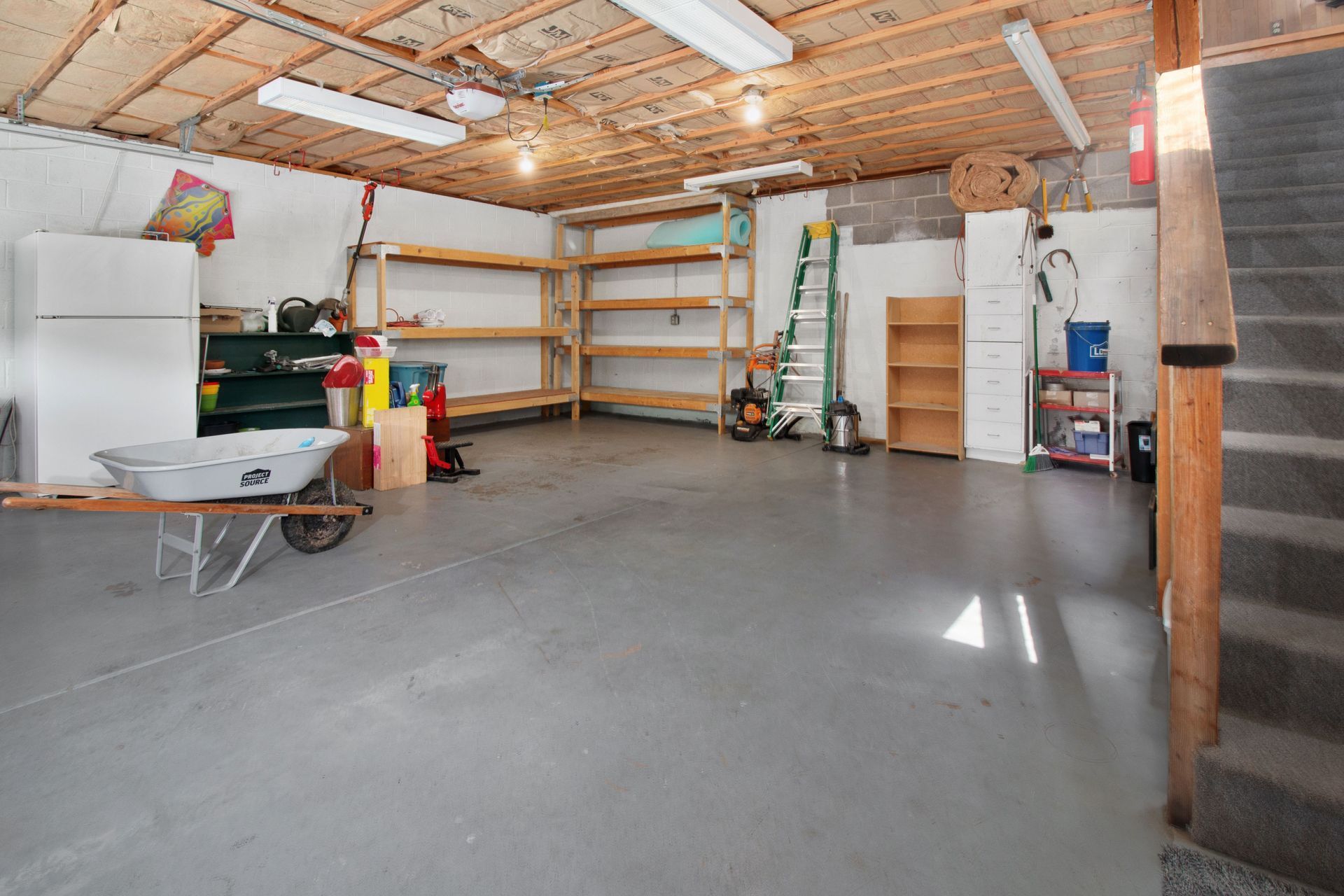
Let's be honest. For a lot of us, the garage starts out with good intentions. “Of course we're going to park the car in here.” Then a few years go by and suddenly there's a lawn mower, hockey bags, bikes, Christmas decorations, camping gear, tools, random boxes you haven't opened in three years... And somehow the car is sitting in the driveway. Sound familiar? Your garage can actually be one of the most useful spaces in your home. You just have to stop treating it like the place where everything you don't know what to do with goes. Here are a few simple ways to make your garage work a whole lot harder. First things first: get everything out I know. This is the part nobody wants to hear. But if you really want to organize your garage, start by taking everything out. It gives you a chance to actually see what you're working with, and, more importantly, what you actually own. Create a few piles: Keep: Things you actually use. Donate: Things someone else could use but you haven't touched in forever. Sell: Anything worth a little money that you don't need anymore. Garbage: Broken, damaged or completely useless stuff. And be honest with yourself. If you haven't used something in two years and can't think of a reason you're going to use it anytime soon... do you really need it taking up valuable garage space? Probably not. Give the garage a good clean Once everything is out, take advantage of the empty space. Sweep the floors. Wipe down the walls. Get rid of those mystery cobwebs in the corners. It's also a good time to have a look at your garage door, weatherstripping and lighting. If cold air or moisture is getting in around the doors, now is the time to deal with it. And if your garage is dark enough that you need your phone flashlight to find something? Upgrade the lighting. You'll thank yourself later. Before you buy storage...measure! This one is important. Don't run out and buy a bunch of shelves and storage cabinets before figuring out where everything is actually going to go. Measure the space your car needs first. Make sure you can comfortably open the doors, walk around the vehicle and still get to the things you need. Then figure out where your storage can go. Walls and ceilings are your friends. The goal isn't to fill every inch of the garage. The goal is to keep the floor as clear as possible. Go vertical This is probably the biggest game changer for a garage. Instead of spreading everything across the floor, start looking up. Wall-mounted shelving, cabinets, pegboards and hooks can give you a ton of storage without taking away your parking space. Think about hanging: Bikes Garden tools Hoses Extension cords Sports equipment Ladders Camping gear Clear bins are also great for seasonal items. Label them so you're not pulling down six boxes at Christmas trying to find the one with the lights. And put the things you use all the time somewhere easy to reach. The Christmas decorations can go up high. The hockey equipment? Probably not. Don't forget the ceiling If you have the height, overhead storage can be incredibly useful. It's perfect for things you only need a few times a year, holiday decorations, camping gear, seasonal items and things like that. Just make sure anything you install is properly secured and rated for what you're storing. And keep heavier or frequently used items somewhere easier to access. Nobody needs a 50-pound box of Christmas decorations falling on them in November. Not everything belongs in the garage The garage might seem like the perfect place for absolutely everything. It isn't. Temperature changes and moisture can damage certain items, and some things can create safety issues. I'd keep things like important documents, photographs, electronics and anything particularly sensitive to moisture or temperature inside the house. Be careful with paints, solvents and other chemicals, too. Some products aren't meant to be stored through extreme temperature swings. And if you're not sure about something, check the manufacturer's storage instructions or your municipality's disposal guidelines. Create a home for the things you use most This is what makes the organization actually stick. If the bikes have a spot, they go back in that spot. If the garden tools have hooks, they go back on the hooks. If the hockey bags have a designated area, that's where they live. You want to be able to walk into the garage and immediately know where something belongs. Because if everything has a home, you're much less likely to end up with another giant pile six months from now. And yes... park the car in there! This might seem obvious, but if you have a garage, actually using it for your car can be a pretty nice perk, especially in a Canadian winter. No scraping ice off the windshield. No brushing snow off the roof at 7 a.m. And you're giving your vehicle some protection from the elements. Plus, there's another benefit: When your car is parked in the garage, there's less room for clutter to take over. It's basically a built-in reminder that the garage is supposed to remain usable. The goal isn't a Pinterest-perfect garage Your garage doesn't need to look like one of those perfectly organized garages you see online with matching cabinets and a spotless floor. It just needs to work for you. If your family has bikes, hockey gear, gardening equipment and a dog, organize around that. If you use your garage as a workshop, make room for that. If it's mostly parking and seasonal storage, keep it simple. The best garage organization system is the one you'll actually maintain. A little work now can make a huge difference. You don't need to spend thousands of dollars or install an elaborate storage system. Start by getting rid of what you don't need. Clean it out, use the walls, make a home for the things you use. And, whenever possible, leave enough room to actually park the car. Your future self, especially your winter self, will appreciate it. Thinking about making better use of the space in your home? Sometimes the little things can make a big difference. And if you're thinking about buying or selling, I'm always happy to help you look at a home with an eye toward how the space will actually work for your everyday life.
October 6, 2026
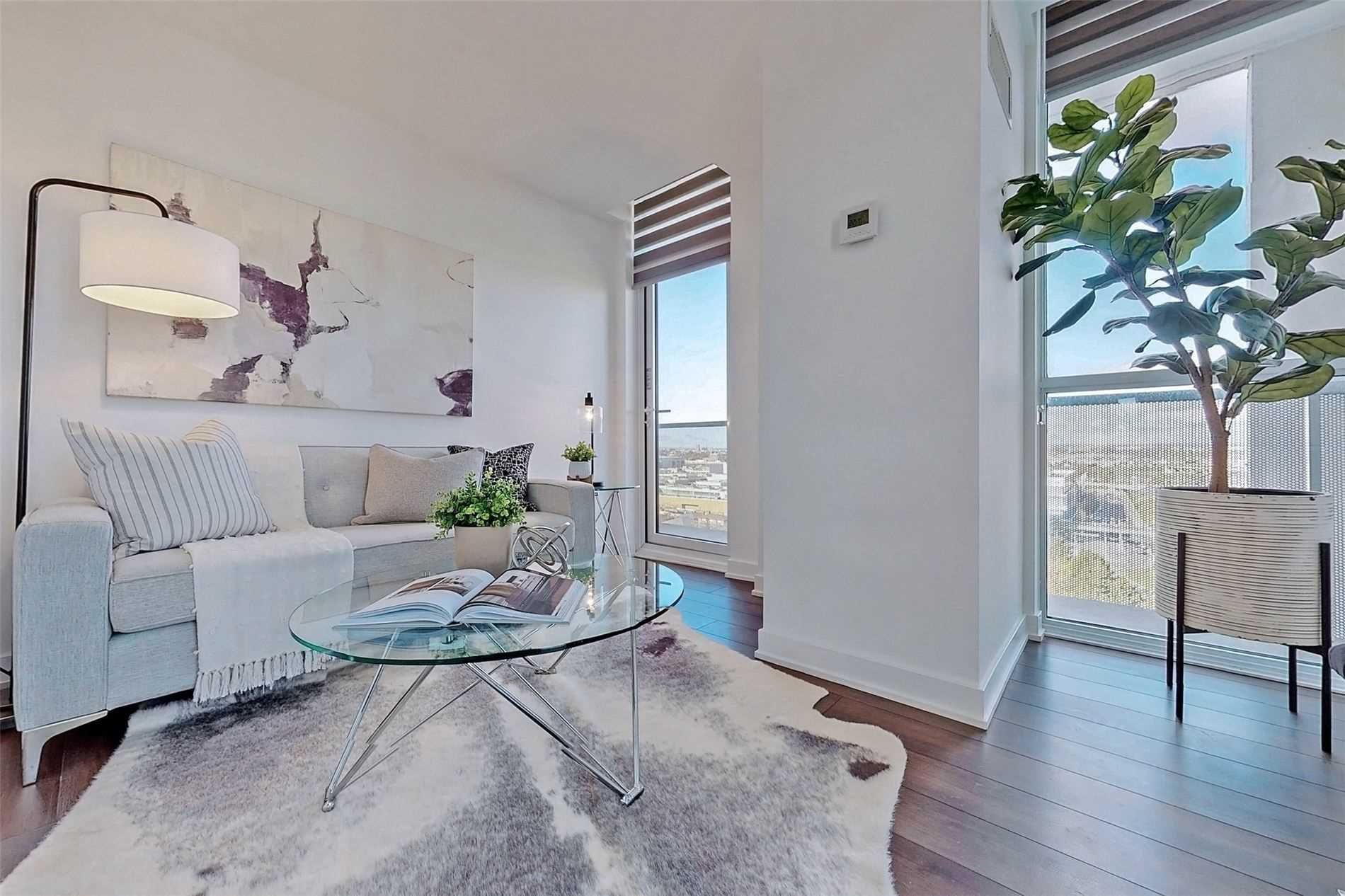
Living in a condo has a lot going for it. You get the location, the amenities, less maintenance and, often, a whole lot more convenience. But there's one thing that can become a bit of a challenge pretty quickly: Where does all the stuff go? Because even if you're living in a smaller space, life doesn't exactly come with fewer belongings. You've still got winter coats, hockey gear, luggage, holiday decorations, shoes, cleaning supplies, kitchen gadgets... you get the idea. The good news? You probably have more storage space than you think. You just need to make better use of what you've already got. Here are a few of my favourite ways to make a smaller condo work harder for you. Start with your storage locker If your condo comes with a storage locker, use it! It sounds obvious, but I see people treat their lockers like a dumping ground instead of actually organizing them. Think about the things you don't need every day: Holiday decorations Ski and snowboard gear Camping equipment Extra luggage Beach chairs Seasonal clothing Bikes Tools and other occasional-use items A few sturdy shelves, labelled bins and some hooks can make a HUGE difference. And don't forget to check your condo's rules before storing anything unusual. Every building is different, and there may be restrictions on what can go in your locker. Make your entryway work harder The front door is usually where the clutter starts. Coats get tossed over chairs. Shoes pile up. Bags end up on the floor. Keys disappear five minutes before you're supposed to leave. Sound familiar? Instead of fighting it, give everything a home. A few wall hooks can take care of coats and bags. A small bench with storage underneath can hide shoes. Even a little tray for keys, sunglasses and other everyday items can make a difference. And if your front closet has somehow become the place where you store your vacuum, cleaning supplies, random boxes and everything else you don't know where to put...It's time for a reset. Your front closet should be working for the things you actually need when you're coming and going. Look UP One of my favourite tricks for smaller homes? Look at the space you're not using. There are little pockets of storage everywhere if you know where to look. Think: Above your kitchen cabinets: Great for things you don't use every day, like serving pieces or small appliances. Under your bed: Perfect for extra bedding, shoes or seasonal clothing. Storage bins or drawers can turn that empty space into a very useful spot. Behind cabinet doors: Add slim organizers for spices, cleaning supplies, wraps, hair products or whatever tends to take over your counters. Above the toilet: A couple of shelves can give you extra bathroom storage without taking up valuable floor space. Behind the sofa: A narrow console table can give you a spot for books, lamps and baskets without eating up much room. Sometimes the answer isn't a bigger condo. It's using the space you already have a little better. Don't store every season at once If your closet is packed with winter coats in July and shorts in January, it's probably time for a seasonal rotation. You don't need every piece of clothing you own sitting in your bedroom closet all year. Move seasonal clothing, bedding and gear between your condo and your storage locker twice a year. Vacuum storage bags can also be a lifesaver for bulky items like winter bedding and sweaters. It's a simple change, but it can make your closets feel like they doubled in size. Get your condo kitchen under control Small kitchens can get crowded FAST. And let's be honest, it doesn't take many appliances before you're wondering where you're supposed to put everything. A few things that can help: Drawer organizers for all those little kitchen gadgets Pull-out shelves for deep cupboards A lazy Susan for awkward corner cabinets Vertical storage for spices Magnetic storage to get things off the counter A slim rolling cart for an otherwise useless little space Before buying another storage solution, though, take a good look at what you already own. Do you really need three sets of measuring cups? Are you actually using that bread maker? And how many travel mugs does one person need? Sometimes the best storage solution is getting rid of the stuff you don't use. The biggest trick? Don't let the clutter build up. This is probably the most important one. Small spaces don't necessarily have a storage problem. Sometimes they have a too-much-stuff problem. When something new comes into your condo, ask yourself where it's going to live. If you don't have a spot for it, maybe something else needs to go. A little bit of organizing every few months is a whole lot easier than waiting until your closets are bursting and you can't find anything. Small space doesn't have to mean cramped space. One of the best things about condo living is that you don't necessarily need a huge home to have a great home. It's about making the space you have work for the way you actually live. If you're thinking about buying a condo, don't just look at the square footage. Look at the closets, storage locker, kitchen storage, entryway and all those little details that can make a big difference once you actually move in. Because the right home isn't just about how much space you have. It's about how well the space works for you.
Show More