October 6, 2026
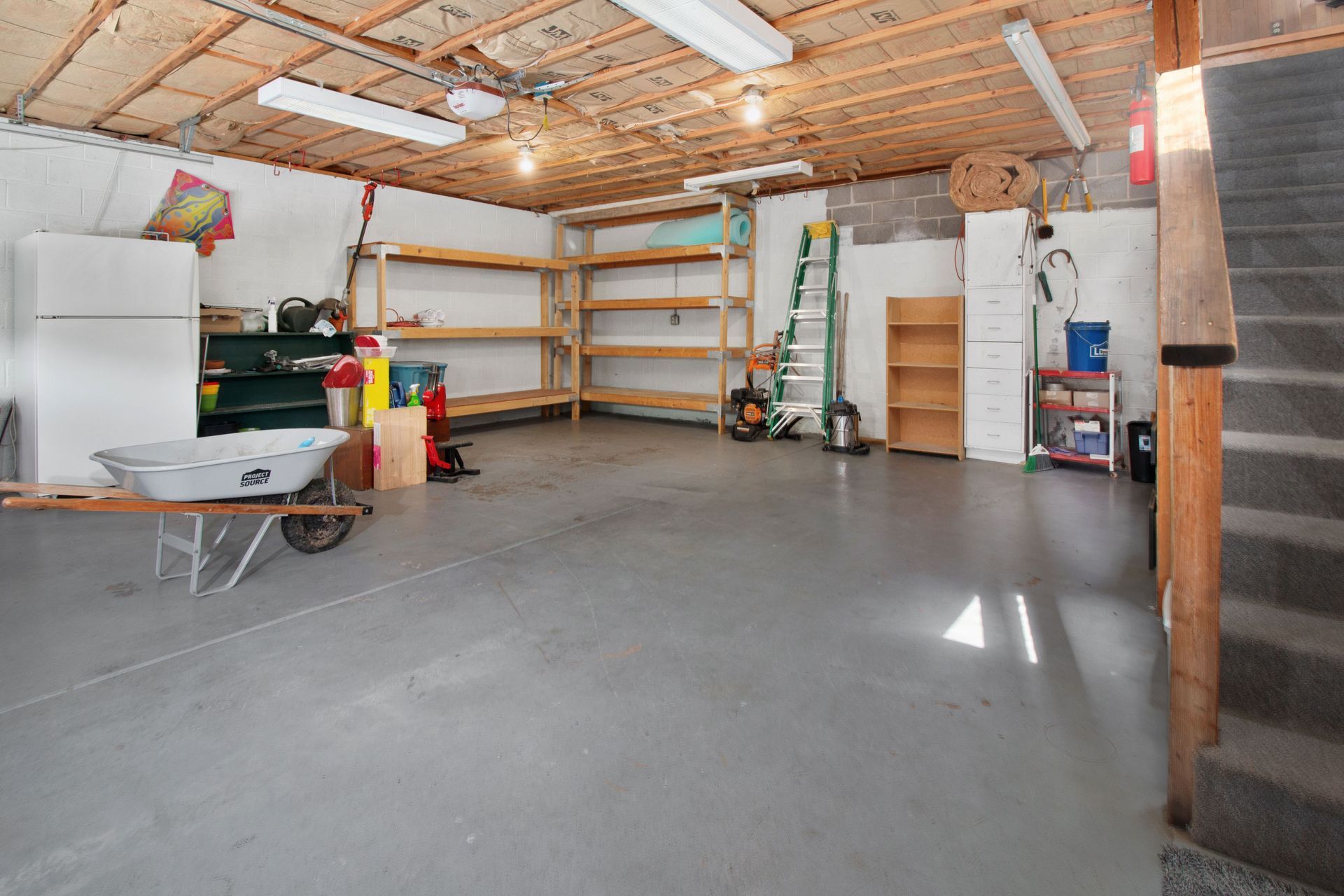
Let's be honest. For a lot of us, the garage starts out with good intentions. “Of course we're going to park the car in here.” Then a few years go by and suddenly there's a lawn mower, hockey bags, bikes, Christmas decorations, camping gear, tools, random boxes you haven't opened in three years... And somehow the car is sitting in the driveway. Sound familiar? Your garage can actually be one of the most useful spaces in your home. You just have to stop treating it like the place where everything you don't know what to do with goes. Here are a few simple ways to make your garage work a whole lot harder. First things first: get everything out I know. This is the part nobody wants to hear. But if you really want to organize your garage, start by taking everything out. It gives you a chance to actually see what you're working with, and, more importantly, what you actually own. Create a few piles: Keep: Things you actually use. Donate: Things someone else could use but you haven't touched in forever. Sell: Anything worth a little money that you don't need anymore. Garbage: Broken, damaged or completely useless stuff. And be honest with yourself. If you haven't used something in two years and can't think of a reason you're going to use it anytime soon... do you really need it taking up valuable garage space? Probably not. Give the garage a good clean Once everything is out, take advantage of the empty space. Sweep the floors. Wipe down the walls. Get rid of those mystery cobwebs in the corners. It's also a good time to have a look at your garage door, weatherstripping and lighting. If cold air or moisture is getting in around the doors, now is the time to deal with it. And if your garage is dark enough that you need your phone flashlight to find something? Upgrade the lighting. You'll thank yourself later. Before you buy storage...measure! This one is important. Don't run out and buy a bunch of shelves and storage cabinets before figuring out where everything is actually going to go. Measure the space your car needs first. Make sure you can comfortably open the doors, walk around the vehicle and still get to the things you need. Then figure out where your storage can go. Walls and ceilings are your friends. The goal isn't to fill every inch of the garage. The goal is to keep the floor as clear as possible. Go vertical This is probably the biggest game changer for a garage. Instead of spreading everything across the floor, start looking up. Wall-mounted shelving, cabinets, pegboards and hooks can give you a ton of storage without taking away your parking space. Think about hanging: Bikes Garden tools Hoses Extension cords Sports equipment Ladders Camping gear Clear bins are also great for seasonal items. Label them so you're not pulling down six boxes at Christmas trying to find the one with the lights. And put the things you use all the time somewhere easy to reach. The Christmas decorations can go up high. The hockey equipment? Probably not. Don't forget the ceiling If you have the height, overhead storage can be incredibly useful. It's perfect for things you only need a few times a year, holiday decorations, camping gear, seasonal items and things like that. Just make sure anything you install is properly secured and rated for what you're storing. And keep heavier or frequently used items somewhere easier to access. Nobody needs a 50-pound box of Christmas decorations falling on them in November. Not everything belongs in the garage The garage might seem like the perfect place for absolutely everything. It isn't. Temperature changes and moisture can damage certain items, and some things can create safety issues. I'd keep things like important documents, photographs, electronics and anything particularly sensitive to moisture or temperature inside the house. Be careful with paints, solvents and other chemicals, too. Some products aren't meant to be stored through extreme temperature swings. And if you're not sure about something, check the manufacturer's storage instructions or your municipality's disposal guidelines. Create a home for the things you use most This is what makes the organization actually stick. If the bikes have a spot, they go back in that spot. If the garden tools have hooks, they go back on the hooks. If the hockey bags have a designated area, that's where they live. You want to be able to walk into the garage and immediately know where something belongs. Because if everything has a home, you're much less likely to end up with another giant pile six months from now. And yes... park the car in there! This might seem obvious, but if you have a garage, actually using it for your car can be a pretty nice perk, especially in a Canadian winter. No scraping ice off the windshield. No brushing snow off the roof at 7 a.m. And you're giving your vehicle some protection from the elements. Plus, there's another benefit: When your car is parked in the garage, there's less room for clutter to take over. It's basically a built-in reminder that the garage is supposed to remain usable. The goal isn't a Pinterest-perfect garage Your garage doesn't need to look like one of those perfectly organized garages you see online with matching cabinets and a spotless floor. It just needs to work for you. If your family has bikes, hockey gear, gardening equipment and a dog, organize around that. If you use your garage as a workshop, make room for that. If it's mostly parking and seasonal storage, keep it simple. The best garage organization system is the one you'll actually maintain. A little work now can make a huge difference. You don't need to spend thousands of dollars or install an elaborate storage system. Start by getting rid of what you don't need. Clean it out, use the walls, make a home for the things you use. And, whenever possible, leave enough room to actually park the car. Your future self, especially your winter self, will appreciate it. Thinking about making better use of the space in your home? Sometimes the little things can make a big difference. And if you're thinking about buying or selling, I'm always happy to help you look at a home with an eye toward how the space will actually work for your everyday life.