Best East End Toronto Coffee Shops for Working Remotely - Sip, Work & Explore the City

East End Coffee Shops Perfect for Remote Work

Toronto’s East End is a vibrant stretch of neighbourhoods, from Leslieville and Riverside to The Beaches and Danforth, where great coffee and community energy come together. For remote workers, this area offers a mix of cozy cafés with strong Wi‑Fi, welcoming vibes, and plenty of reasons to explore before or after your work session. Whether you’re settling in for a productive morning or grabbing a latte between virtual meetings, here are some of the East End’s best coffee spots that feel like home offices with personality.


Rooster Coffee House - Riverdale Classic

Rooster is an East End institution, known for its comforting vibes, reliable Wi‑Fi, and excellent espresso. With large windows and communal seating, it’s ideal for longer work sessions. After your work is done, walk across the street to enjoy Riverdale Park views or wander into Riverside’s boutiques.


ESPRO Coffee Bar - The Beaches Favourite

With a friendly atmosphere and strong coffee, ESPRO is a great spot to set up for a few hours with your laptop. Located just steps from The Beaches boardwalk, it’s perfect for balancing work with fresh air by Lake Ontario once you’ve wrapped up.


Morning Parade Coffee Bar - Quiet & Charming on Gerrard

A local favourite with a relaxed vibe and plenty of natural light, Morning Parade is perfect for focused work sessions. Its location on Gerrard East makes it easy to explore nearby shops and parks.


Simple Coffee - Classic Queen East Spot

Simple Coffee’s welcoming space and well‑crafted drinks help you power through tasks with ease. Located on Queen Street East, you’re in the heart of one of the East End’s coolest strollable strips, great for breaks!


East Toronto Coffee Co. - Laid‑Back Danforth Gem

This beloved Danforth spot blends community warmth with quality coffee, ideal for laptop work or casual client meetups. Afterwards, check out the Danforth’s vibrant Greek Town restaurants and shops.


Mofer Coffee Danforth - Stylish & Spacious

Mofer on Danforth offers generous seating, great espresso, and a relaxed work atmosphere. It’s perfect if you’re looking to settle in for a productive few hours with tasty drinks and light bites.


The Black Pony Café and Snack Bar - All‑Day Work & Hang Spot

With extended hours and a chill vibe, The Black Pony is a go‑to for remote workers who like to sip, type, and stay awhile. Its relaxed ambience and snacks make it ideal for a midday work session.


More East End Sips Worth Exploring

  • Bud's Coffee - East End favourite with cozy seating along Queen East.
  • Cafe Cocoro - Stylish café on the Danforth with seasonal drinks.
  • Poured Coffee - Friendly neighbourhood spot with reliable coffee.
  • Black Dog Cafe - Kingston Road’s hidden cafe with neighbourhood charm.
  • Ethio Natural Coffee - A unique coffee experience further east on Danforth.
  • The Black Canary Espresso Bar - Kingston Road espresso bar with strong brews.
  • Dineen Outpost - Classic café on Gerrard with historic vibes.
  • Remarkable Bean - Expanded hours make it great for longer work sessions.


Pair Your Workday with Neighbourhood Exploration

Working from the East End isn’t just about coffee, it’s about living where you work:

The Beaches: After typing away, stroll the boardwalk or hang by the lake for a refreshing reset.
Queen Street East & Riverside:
Independent shops, murals, and hidden boutiques make great break destinations.
Danforth & Greektown:
A multicultural feast awaits when you’re ready for lunch or dinner, from classic Greek dishes to modern eateries.
Leslieville:
A neighbourhood with an artsy vibe and plenty of local spots to explore between coffee stops.


Pro Tips for Remote Work in East End Cafés

  • Arrive early for the best seats and outlets.
  • Bring noise‑canceling headphones - cafés are social and vibrant places!
  • Mix work with local exploration - take walking breaks to discover murals, shops, or parks.
  • Be café courteous - remove devices if your spot fills up during peak hours.


Toronto’s East End proves that work doesn’t have to feel like work, especially when your office comes with great coffee and gorgeous neighbourhoods to discover.
July 15, 2026
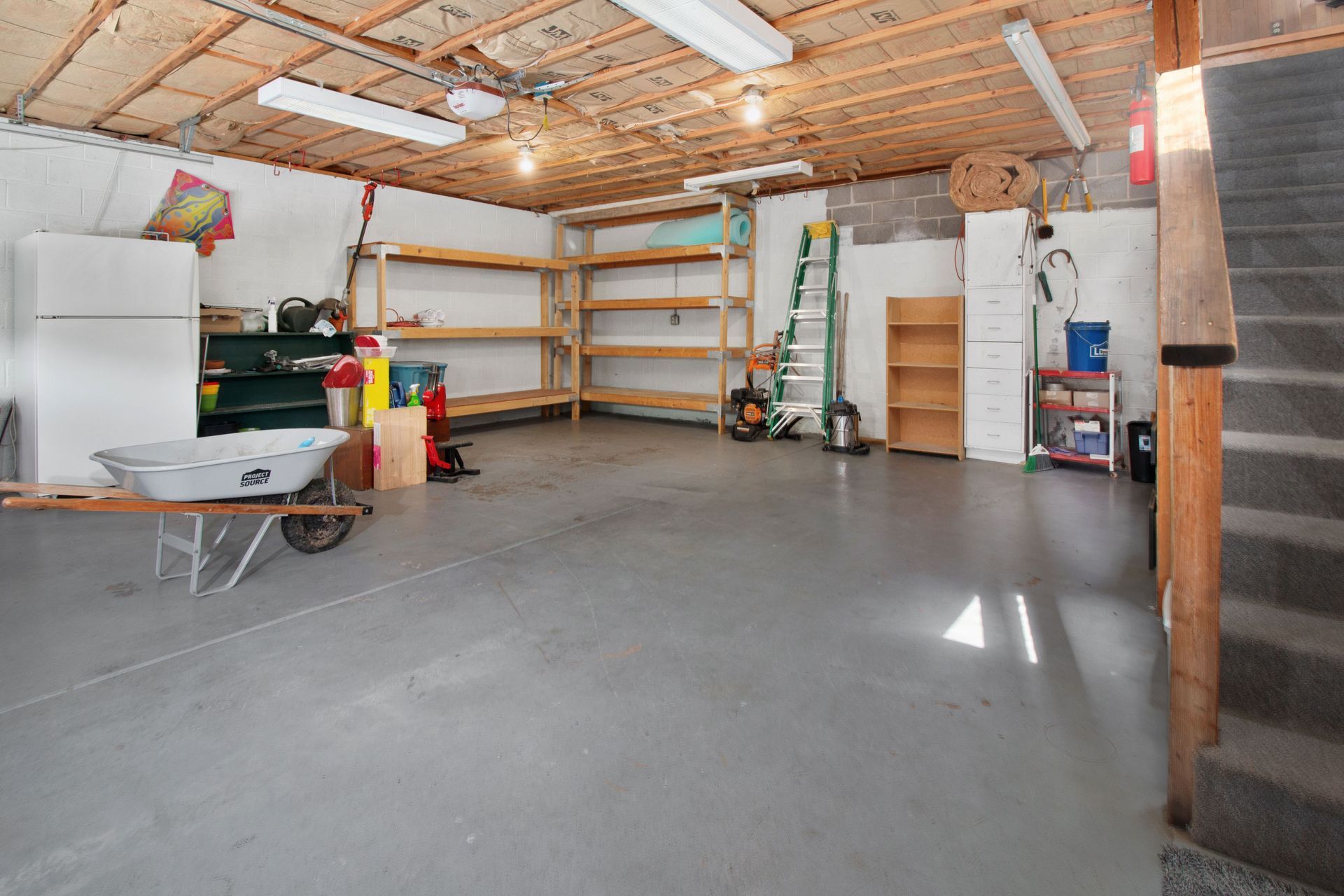
At some point, many homeowners find themselves asking the same question: Should we renovate our current home or move to a new one? Maybe your family is growing, your needs have changed, or your home simply doesn't function the way it once did. While a renovation can transform your living space, moving may provide a fresh start and a home that better suits your lifestyle. The right choice depends on your goals, budget, timeline, and long-term plans. Here's how to determine whether renovating or relocating makes the most sense for you. When Renovating May Be the Better Option If you love your neighbourhood, your lot, and your home's overall location, a renovation may allow you to stay where you are while creating the space you need. You Love Your Neighbourhood One of the biggest reasons homeowners choose to renovate is because they don't want to leave the community they've come to love. You may have: Great neighbours Excellent schools nearby Easy access to transit and amenities A short commute to work Strong ties to the local community If the location is perfect but the house isn't, renovating may be worth considering. Your Home Has Good Bones Some homes simply need updating rather than replacing. If your home's structure is sound and the layout can be improved through renovations, investing in upgrades may be more cost-effective than moving. Common renovations include: Kitchen remodels Bathroom updates Finished basements Home offices Additional bedrooms Main floor redesigns Outdoor living spaces Moving Costs Are Significant Selling and buying a home comes with expenses, including: Real estate fees Legal fees Land transfer tax Moving costs Home inspections Potential renovations to the new property Depending on your situation, a renovation may provide better value than purchasing another home. When Relocating May Be the Better Option While renovations can solve many problems, they can't fix everything. You've Outgrown the Property If your lot size, parking, storage, or overall square footage no longer meets your needs, moving may be the only practical solution. For example: A growing family may need additional bedrooms. Empty nesters may want less maintenance. Remote workers may require dedicated office space. Multi-generational families may need separate living areas. Sometimes the home simply can't be modified enough to accommodate changing lifestyles. Renovation Costs Keep Growing Many homeowners underestimate renovation expenses. Once walls are opened, unexpected issues can emerge such as: Electrical upgrades Plumbing repairs Structural modifications Insulation improvements Permit requirements If renovation estimates continue to climb, purchasing a home that already meets your needs may become the more attractive option. Your Needs Have Changed Sometimes it's not the house that's the problem, it's the lifestyle. You may want: A shorter commute Better schools More walkability A larger yard Less maintenance Access to different amenities When your priorities shift, moving can provide opportunities that renovations simply cannot. Questions to Ask Before Making a Decision Before deciding whether to renovate or relocate, ask yourself: What Is My Budget? Compare the true cost of renovating versus moving. Remember to include: Construction costs Temporary housing (if needed) Real estate fees Closing costs Land transfer taxes Moving expenses How Long Do I Plan to Stay? If you expect to remain in your home for many years, a renovation may provide strong long-term value. If you're considering a move within a few years anyway, it may make more sense to start searching now. Will Renovations Add Meaningful Value? Not all renovations deliver the same return on investment. Projects that typically provide strong value include: Kitchen updates Bathroom renovations Finished basements Improved curb appeal Energy-efficient upgrades A REALTOR® can help you understand how renovations may impact your home's future resale value. Can My Home Realistically Meet My Future Needs? This may be the most important question of all. Even after investing significant money into renovations, will the home truly work for your lifestyle five or ten years from now? If the answer is no, relocating may be the smarter long-term choice. There Is No Universal Answer Every homeowner's situation is unique. For some, renovating allows them to stay in a neighbourhood they love while creating a more functional home. For others, moving provides an opportunity to upgrade, downsize, or find a property better suited to their evolving needs. The best decision comes from understanding your options, your finances, and your long-term goals. The Bottom Line If you're feeling cramped, frustrated with your home's layout, or wondering whether it's time for a change, you're not alone. Many homeowners face the renovation-versus-relocation decision. The good news? You don't have to make that decision on your own. Thinking About Your Next Move? Whether you're considering a major renovation or exploring what your home could sell for in today's market, I can help you evaluate your options and make an informed decision. Contact Laura Cooper today for a no-obligation conversation about your home, your goals, and what makes the most sense for your future.
July 15, 2026
Buying a home is exciting, but it's easy to get distracted by beautiful staging, trendy finishes, and picture-perfect curb appeal. While it's natural to focus on the features you love, it's equally important to watch for warning signs that could lead to costly repairs, safety concerns, or future headaches. Not every issue is a deal-breaker, but knowing what to look for can help you make an informed decision and avoid unpleasant surprises after moving in. Here are some of the biggest house-hunting red flags buyers should never ignore. 1. Signs of Water Damage Water is one of the most expensive problems a homeowner can face. Keep an eye out for: Water stains on ceilings or walls Bubbling paint or peeling wallpaper Musty odours Warped flooring Mold or mildew growth Damp basements Even if a leak has been repaired, it's important to determine whether there was any lasting damage. Water issues can indicate roofing problems, foundation concerns, plumbing leaks, or poor drainage around the property. 2. Cracks in the Foundation Not all cracks are cause for concern, but some can signal structural issues. Pay attention to: Large horizontal cracks Stair-step cracks in brickwork Uneven floors Doors and windows that stick or don't close properly A professional home inspection can help determine whether foundation cracks are cosmetic or require more extensive repairs. 3. Roof Problems A new roof can cost thousands of dollars, so it's worth paying attention to its condition. Potential warning signs include: Missing or curling shingles Sagging rooflines Water stains in the attic Moss growth Signs of previous patchwork repairs Ask about the age of the roof and whether any recent maintenance has been completed. 4. Electrical Issues Older electrical systems may not meet modern safety standards and can become expensive upgrades. Watch for: Outdated electrical panels Two-prong outlets Flickering lights Excessive use of extension cords Exposed wiring If the home is older, it's worth asking whether the electrical system has been updated. 5. Plumbing Concerns Plumbing issues can range from minor repairs to major expenses. Look for: Low water pressure Slow drains Water stains under sinks Corroded pipes Signs of previous leaks Older homes may still have outdated plumbing materials that could require replacement in the future. 6. Fresh Paint in All the Wrong Places A fresh coat of paint isn't always a red flag but, sometimes it can be used to cover up underlying issues. Be cautious if you notice: Fresh paint on only one section of a wall or ceiling Recently painted basement walls Strong paint odours during showings It's worth investigating whether cosmetic updates were made simply to improve appearance or to hide damage. 7. Poor Drainage Around the Property Take a close look at the grading around the home. Potential concerns include: Water pooling near the foundation Downspouts that discharge too close to the house Erosion around the property Soggy areas in the yard Poor drainage can contribute to basement leaks, foundation movement, and landscaping damage over time. 8. Signs of Neglected Maintenance A home doesn't have to be renovated to be well cared for. However, visible neglect can suggest there may be hidden issues as well. Examples include: Broken fixtures Damaged caulking Rotting wood Missing handrails Poorly completed DIY repairs If basic maintenance has been ignored, buyers should consider what larger systems may also have been overlooked. 9. Unusual Odours Strong scents can sometimes signal underlying problems. Be aware of: Musty smells Smoke odours Sewer-like smells Heavy use of air fresheners Odours can indicate mold, water damage, plumbing issues, or ventilation problems that may require further investigation. 10. Neighbourhood Red Flags Remember, you're not just buying a home, you're buying into a community. During your search, consider: Traffic patterns Nearby commercial development Noise levels Property maintenance on surrounding homes School options Future development plans Visit the neighbourhood at different times of day to get a more complete picture of what living there would be like. Not Every Red Flag Means "Walk Away" It's important to remember that very few homes are perfect. Some issues are relatively minor and can be addressed after closing, while others may justify renegotiating the purchase price or requesting repairs. The key is understanding which problems are cosmetic and which could have significant financial implications. A thorough home inspection, careful review of disclosures, and guidance from an experienced REALTOR® can help you identify potential concerns before making one of the biggest purchases of your life. The Bottom Line When house hunting, it's easy to fall in love with a home's appearance. But smart buyers look beyond the fresh paint, stylish furniture, and beautiful landscaping. By paying attention to potential red flags and asking the right questions, you'll be better equipped to make a confident decision and avoid costly surprises down the road. Thinking About Buying a Home? Whether you're a first-time buyer or looking for your next move, I can help you evaluate properties, identify potential concerns, and find a home that truly fits your needs. Contact Laura Cooper today for expert guidance throughout your home-buying journey.
July 15, 2026
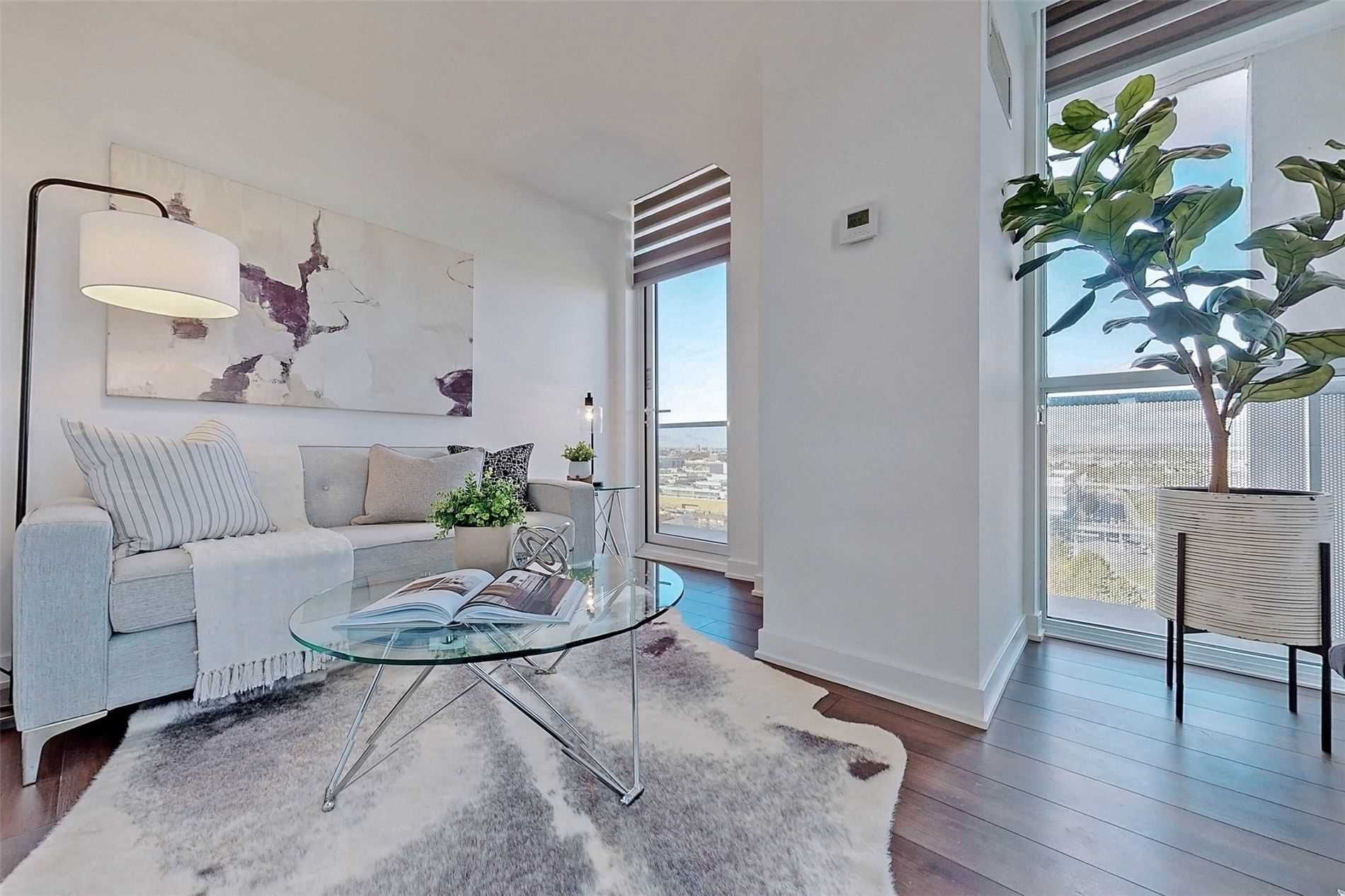
One of the biggest decisions home buyers face isn't just where to live, it's what type of home to buy. Whether you're a first-time buyer, downsizer, investor, or growing family, choosing between a condo, townhouse, or detached home can have a significant impact on your lifestyle, budget, and long-term goals. Each property type comes with its own advantages and considerations. Understanding the differences can help you make a confident decision that fits both your current needs and future plans. Condo Living: Low Maintenance and Convenient Condominiums are often the most affordable entry point into homeownership, especially in larger urban centres like Toronto. Pros of Buying a Condo Typically lower purchase prices than townhouses and detached homes Minimal maintenance responsibilities Access to amenities such as fitness centres, pools, party rooms, and concierge services Often located in walkable neighbourhoods close to transit, shopping, and restaurants Ideal for busy professionals, first-time buyers, and investors Things to Consider Monthly condo fees can add significantly to your housing costs Less privacy due to shared walls and common areas Limited outdoor space Condo boards and building rules may restrict certain renovations, pets, or rentals A condo can be an excellent choice if convenience and location are your top priorities. Townhouses: The Middle Ground Townhouses offer a balance between condo living and detached home ownership. They often provide more space than a condo while requiring less maintenance than a detached property. Pros of Buying a Townhouse More living space and often multiple levels Private entrances and outdoor areas Generally more affordable than detached homes Lower maintenance responsibilities than a detached house (especially for condo townhomes) Suitable for young families and move-up buyers Things to Consider Shared walls with neighbouring homes Condo townhouses may still have monthly maintenance fees Smaller yards compared to detached homes Less privacy than a fully detached property For buyers looking for extra space without the higher cost of a detached home, a townhouse can be a great compromise. Detached Homes: Space, Privacy, and Flexibility Detached homes remain the dream for many buyers. They offer the highest level of privacy and the greatest flexibility when it comes to renovations and outdoor living. Pros of Buying a Detached Home No shared walls More privacy and quiet Larger yards and outdoor space Greater freedom to renovate and customize Often appeals to growing families Things to Consider Higher purchase prices More maintenance and repair responsibilities Higher utility costs in many cases Yard work, snow removal, and exterior upkeep are your responsibility A detached home may be the best fit if you value space, privacy, and long-term flexibility. Questions to Ask Yourself Before Choosing When deciding between a condo, townhouse, or detached home, consider the following: What Is My Budget? Remember to factor in more than just the purchase price. Consider condo fees, property taxes, utilities, maintenance costs, and future repairs. How Much Space Do I Need? Think about your current lifestyle and future plans. Will you be working from home? Planning for children? Hosting family gatherings? How Much Maintenance Am I Comfortable With? Some buyers love gardening and home projects, while others prefer a lock-and-leave lifestyle. What Are My Long-Term Goals? Your first home doesn't necessarily have to be your forever home. Consider how long you plan to stay and whether the property aligns with your future plans. There Is No One-Size-Fits-All Answer The "best" property type depends entirely on your personal circumstances, lifestyle, and financial goals. A condo may be perfect for one buyer, while a townhouse or detached home may be the ideal fit for another. The good news is that there are excellent options available across Toronto, Durham Region, and the Greater Toronto Area for every stage of life. If you're unsure which type of property makes the most sense for you, working with an experienced REALTOR® can help you compare your options, understand the true costs of ownership, and find a home that fits your lifestyle today and tomorrow. Thinking About Buying? Whether you're considering a condo, townhouse, or detached home, I'd be happy to help you explore your options and navigate the buying process with confidence. Contact Laura Cooper today to start your home search and find the right fit for your next chapter.
Show More