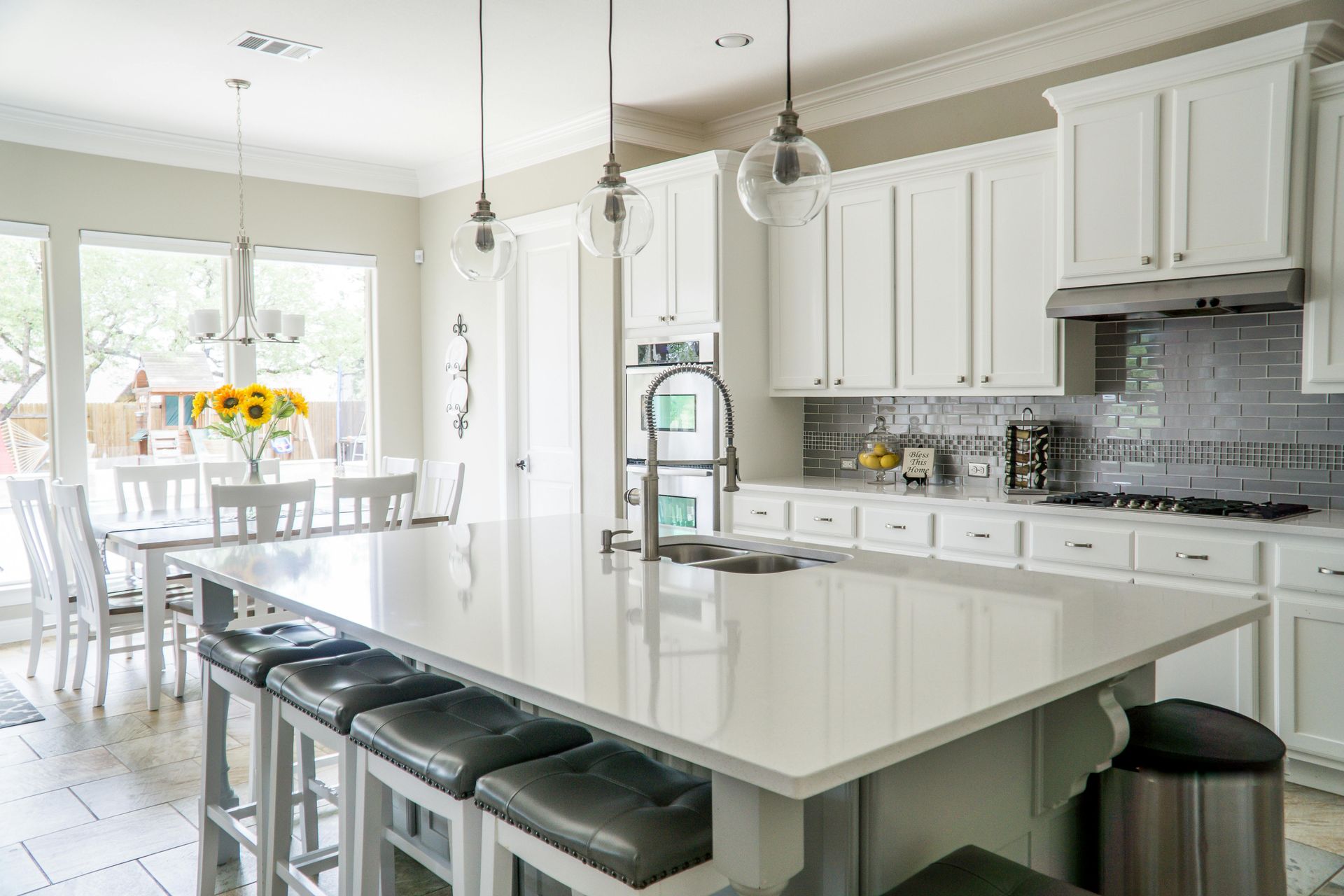
Selling a Home That Needs Work? Here Are Your Options

Not every home is ready for its close-up. Maybe the kitchen is a little dated, the bathroom could use some attention, or there are a few projects around the house that have been sitting on your to-do list for years. And if you're thinking about selling, you might be wondering: Do I need to fix everything before putting my home on the market? The short answer? Not necessarily. While some updates can help your home attract more buyers, a full renovation isn't always the best use of your time or money. The right approach depends on your home's condition, your budget, your timeline and what buyers are looking for in your neighbourhood. If your home needs a little work, here are some options to consider before you decide what to do next.
1. Sell Your Home As-Is
Selling a home as-is means you're offering the property in its current condition, without agreeing to make repairs or updates as part of the sale.
This can be a good option if you're dealing with an older home, have a limited budget for improvements, or simply don't want to take on another round of projects before moving. There are a few things to keep in mind, though. Buyers will likely factor the home's condition into what they're willing to offer. Some may see an opportunity to renovate and make the space their own, while others may be looking for something that's move-in ready. Selling as-is doesn't mean skipping the important details. It's still worth understanding your home's condition, being upfront about known issues where disclosure is required, and working with your real estate professional to position the property properly.
2. Make a Few Strategic Repairs
Sometimes, a handful of smaller repairs can go a long way. You don't have to tackle every project on your list. Instead, focus on the things that could affect a buyer's first impression or raise concerns during a showing.
A few examples might include:
- Fixing leaky faucets or running toilets.
- Replacing broken light fixtures or burnt-out bulbs.
- Repairing loose handles, doors or cabinet hardware.
- Touching up chipped paint or scuffed walls.
- Fixing obvious maintenance issues.
- Taking care of small exterior repairs that affect curb appeal.
These aren't necessarily expensive projects, but they can help buyers feel more comfortable with the home. The goal isn't to make everything brand new. It's to take care of the little things that might distract buyers from seeing the home's potential.
3. Update Without Taking on a Full Renovation
There's a big difference between giving a home a refresh and completely renovating it. If your home feels dated, a few cosmetic improvements may be enough to make it feel more inviting. Fresh, neutral paint can brighten up a room. Updated lighting can make a space feel more current. New cabinet hardware or a simple bathroom refresh can make a difference without the cost and disruption of a major renovation. Before spending money, think about what buyers are most likely to notice. For example, replacing an entire kitchen may not make financial sense if the cabinets are in good shape and a few smaller updates could freshen up the space. It's also important to consider your price range and the types of homes buyers will be comparing yours against. You don't want to spend thousands on upgrades that won't necessarily translate into a higher sale price.
4. Don't Overlook the Power of Staging
Sometimes, it's not about what needs replacing. It's about how the home is presented. A home that's cluttered, overcrowded with furniture or filled with personal belongings can be harder for buyers to picture themselves living in. Staging helps highlight the space, show how rooms can be used and draw attention to the home's best features. That might mean rearranging existing furniture, removing a few pieces, adding some finishing touches or making better use of a room. And no, staging doesn't always mean bringing in all new furniture or completely changing the look of your home. Sometimes a few thoughtful adjustments are all it takes to help a space feel brighter, more open and more inviting.
5. Price Your Home With Its Condition in Mind
This is an important part of the conversation. A home that needs work can still attract plenty of interest, but pricing needs to reflect its overall condition and how it compares with similar properties on the market. Buyers are looking at more than just the asking price. They're also thinking about the money, time and effort they'll need to put into the property after they move in. That's why it's important to look at comparable sales, current competition and the improvements a buyer may need to make. Pricing too high and hoping buyers will overlook the work can make it harder to generate interest. On the other hand, a well-positioned home that offers buyers a realistic opportunity may attract the attention you're looking for.
6. Be Prepared for Questions From Buyers
When a home needs work, buyers may have questions about its condition. They might want to know how old the roof is, whether the windows have been replaced, what updates have been made to the electrical or plumbing, or whether there have been any previous water issues. Having information about past repairs, renovations and maintenance can make these conversations easier. If you've had work completed, keep any receipts, warranties or permits you have available. And if there are known issues, speak with your real estate professional about your disclosure obligations before listing.
A buyer may also include an inspection condition in their offer. Understanding how potential inspection findings could affect negotiations is another reason to have a plan before your home hits the market.
7. Figure Out Which Improvements Are Actually Worth It
This is where having the right advice can save you time, money and a lot of unnecessary stress. Not every renovation will add enough value to justify the cost. And not every issue needs to be fixed before you sell. Before starting any major project, consider:
- Your budget: How much are you comfortable spending before the sale?
- Your timeline: Do you have weeks or months to prepare, or do you need to move sooner?
- Your local market: What condition are comparable homes in?
- Your likely buyer: Are buyers in your price range expecting a move-in-ready home, or are they open to doing some work themselves?
- Your potential return: Will the improvement make a meaningful difference to the home's appeal or market value?
This is also a good time to get a second opinion before calling in contractors or booking a renovation. A little planning can help you avoid spending money on projects that may not be necessary.
So, Should You Fix Up Your Home Before Selling?
There's no one-size-fits-all answer. Some homes benefit from a few repairs and cosmetic updates. Others are better suited to being sold as-is. And sometimes, the biggest difference comes down to cleaning, decluttering, staging and getting the pricing right. The important thing is to understand your options before you start spending. At Laura Cooper Homes, we can help you look at your home with a buyer's perspective, identify where improvements may be worthwhile and put together a plan that makes sense for your situation. From staging to renovation consultations, we'll help you focus on what matters most before your home goes on the market.
Thinking about selling but not sure where to start? Let's talk. You might not need to do as much as you think.
Laura Cooper Homes | Love What You Do!