What to Look for When Buying an Older Toronto Home

There's something special about older Toronto homes. Maybe it's the original hardwood floors, the beautiful front porch, the stained-glass windows or the little details you just don't find in newer builds. Neighbourhoods like Birchcliff, The Beaches, Upper Beaches and East York are full of homes with character, and it's easy to see why buyers are drawn to them. But while an older home can have plenty of charm, there are a few things worth paying extra attention to before you make an offer. Because as much as we all love original details and a little history, you also want to know what's happening behind the walls, underneath the floors and above your head. Here are some things I'd encourage buyers to look at when shopping for an older Toronto home.
1. Don't Judge a Home by Its Fresh Paint
A fresh coat of paint, updated light fixtures and a nicely staged living room can make a home look fantastic. But cosmetic updates don't necessarily tell you much about the overall condition of the property. When viewing an older home, try to look beyond the finishes. Pay attention to things like:
- Cracks in walls or ceilings.
- Signs of water staining or previous leaks.
- Uneven or sloping floors.
- Doors and windows that don't close properly.
- Musty smells, particularly in the basement.
- Areas that look recently repaired or covered up.
None of these automatically means there's a major problem, but they're worth asking questions about. A home can look beautiful on the surface and still need some important work.
2. Check the Roof and Windows
Two things that can become expensive to replace? The roof and the windows. Ask how old the roof is and whether there have been any repairs or leaks.
Look for signs of missing or damaged shingles, water staining in the attic and any evidence of previous roof repairs. Windows are another important consideration, especially in older homes. Are they original? Have they been replaced? Do they open and close properly? Is there condensation between the panes? Older windows aren't necessarily a dealbreaker, but replacing them can add up, particularly if the home has a lot of them. It's always better to understand what you're working with before you start planning your move.
3. Take a Closer Look at the Electrical
Electrical systems have changed quite a bit over the years, and older homes may have a combination of original and updated wiring.
Things worth asking about include:
- Has the electrical system been upgraded?
- Is the electrical panel relatively modern?
- Is the home's electrical capacity suitable for your needs?
- Are there enough outlets throughout the house?
- Has any knob-and-tube wiring been identified?
Knob-and-tube wiring was commonly used in older homes, and its presence is something buyers should investigate with a qualified electrician.
It can also affect insurance availability and coverage, so don't leave this question until the last minute. If you're planning renovations, adding appliances or creating a home office, you'll want to understand whether the existing electrical system can support those plans.
4. Don't Forget the Plumbing
Plumbing is another area where older homes can come with a few surprises. Depending on the age and renovation history of the property, you could encounter older supply lines, outdated drain pipes or plumbing that has been updated in stages.
Pay attention to:
- Water pressure at taps and showers.
- Signs of leaks under sinks.
- Water stains around toilets and tubs.
- Slow drains.
- The condition of visible pipes in the basement.
- Any history of plumbing repairs.
It's also worth asking about the home's main water supply line and whether it has been replaced. If the home has older plumbing materials, a qualified plumber can help determine whether any upgrades should be considered.
5. Check the Basement Carefully
If you're buying an older Toronto home, spend some time looking at the basement. Basement moisture is something buyers should take seriously, particularly in older properties. Look for water stains, peeling paint, musty smells, efflorescence (a white, powdery residue on masonry) and signs of previous waterproofing work. Ask whether the basement has ever experienced flooding or water infiltration. Also take a look at the foundation walls for visible cracks or signs of movement. And if you're considering finishing the basement or using it as additional living space, make sure you understand the ceiling height, moisture conditions, permits and applicable building and fire-safety requirements. A finished basement might look great during a showing, but it's important to understand what's underneath those new floors and walls.
6. Understand the Heating and Cooling Systems
An older home doesn't necessarily mean an outdated heating system, but it's worth finding out exactly what you're buying.
Ask about the age and condition of:
- The furnace.
- The air conditioner.
- The hot water tank.
- Any boiler or radiant heating system.
- The home's ventilation system.
Find out when the equipment was last serviced and whether there are any known issues. You should also consider insulation and air sealing.
Older homes may have less insulation than newer construction, which can affect comfort and energy costs, particularly during Toronto's colder months.
Sometimes a few upgrades can make a noticeable difference, but it's helpful to know what might be needed.
7. Look at the Foundation and Structure
This is one area where you don't want to make assumptions. Older homes have settled over time, and not every crack or uneven floor indicates a serious structural issue. However, certain signs deserve a closer look.
Pay attention to:
- Large or widening foundation cracks.
- Bowing basement walls.
- Doors or windows that are noticeably out of square.
- Significant sloping floors.
- Cracks around window and door openings.
- Signs of previous structural repairs.
If something doesn't look right, have it assessed by a qualified professional. It's much better to understand the condition of the structure before buying than to discover an expensive issue after moving in.
8. Check for Previous Renovations and Permits
This is a big one, especially in Toronto. Older homes are often renovated over the years, and sometimes the updates are more extensive than they first appear. Maybe the kitchen was opened up, an addition was built, the basement was finished or a second bathroom was added. Those updates can add a lot of value and functionality, but it's important to understand whether the work was completed properly. Ask about available permits and documentation for significant renovations. Depending on the work, you may want to verify:
- Whether the appropriate building permits were obtained.
- Whether final inspections were completed.
- Whether additions comply with applicable zoning requirements.
- Whether the work meets relevant building-code requirements.
Don't assume that because something looks professionally finished, all the necessary approvals were obtained. Your real estate agent can help you identify the questions to ask, and the appropriate professionals can help verify the details.
9. Think About the Lot, Drainage and Trees
Sometimes buyers get so focused on the house that they forget to look closely at the property itself. Older Toronto homes can have mature trees, established gardens and beautiful lots that are a big part of their appeal. But they can also come with maintenance considerations. Take a look at how the property slopes. Does water appear to drain away from the house? Are there areas where water might collect? Pay attention to large trees near the home, particularly if roots could affect walkways, foundations or underground services. Also consider the condition of fences, retaining walls, decks and walkways. If you're thinking about adding a deck, expanding the home or creating a larger backyard space, check the applicable zoning and permit requirements before assuming it's possible.
10. Get a Proper Home Inspection
I can't stress this one enough. A home inspection is an important part of understanding what you're purchasing, particularly when you're looking at an older property. A qualified home inspector can assess the home's major visible systems and components, identify potential concerns and help you understand where further investigation may be needed.
They'll typically look at areas such as:
- Roofing.
- Foundation and structure.
- Electrical.
- Plumbing.
- Heating and cooling.
- Insulation and ventilation.
- Windows and doors.
- Interior and exterior conditions.
A home inspection isn't a guarantee that there are no hidden issues, but it can give you a much clearer picture of the property's condition. And if something needs further investigation, you can bring in the appropriate specialist. Whenever possible, I encourage buyers to make an inspection part of their buying plan and understand their options before submitting an offer.
So, Are Older Toronto Homes Worth Buying?
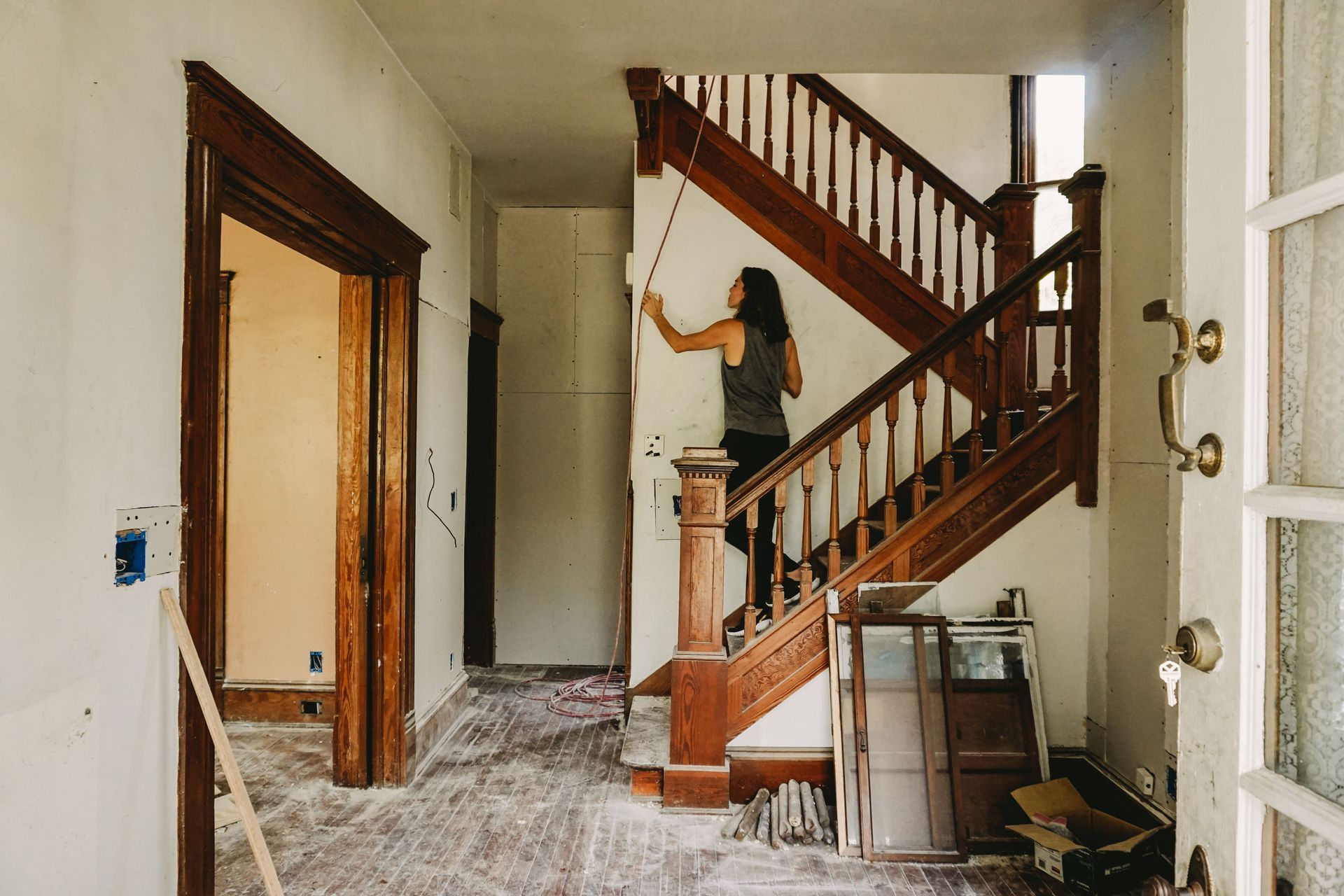
Absolutely! But the right home is about more than character and curb appeal. Older homes can offer beautiful details, established neighbourhoods, mature trees and a sense of history that's hard to replicate. They can also come with maintenance requirements and potential upgrades that buyers need to factor into their budget. The key is knowing what you're getting into. Don't let a few cosmetic imperfections scare you away from a great property, but don't overlook important issues just because you've fallen in love with the kitchen or that gorgeous original staircase. Take your time, ask questions and make sure you understand the home's condition before moving forward.
Thinking About Buying an Older Home in Toronto's East End?
If you've been looking at homes in Birchcliff, Cliffside, The Beaches, East York or surrounding neighbourhoods, there are some fantastic properties worth exploring. Whether you're after a character-filled detached home, a classic semi or something with renovation potential, I'd be happy to help you navigate the process and figure out what to look for. Because finding the right home isn't just about falling in love with what you see. It's about feeling good about what you're buying, too. Reach out to Laura Cooper Homes and let's find a home that checks all the right boxes!